
BayCare hospital system to partner with Zipline
By DRONELIFE Features Editor Jim Magill
Zipline, which operates the world’s largest autonomous drone delivery network, has ambitious plans to expand its UAS delivery services in the U.S., particularly in the medical-supply and food delivery market segments.
In news of its most recent network expansion, BayCare, the largest not-for-profit academic health-care system in West-Central Florida, recently announced plans to build a health care drone delivery system network in partnership with Zipline. BayCare officials expect the system to be operational by the latter part of 2027.
“We’ll begin with select BayCare facilities in the St. Petersburg/Clearwater area, focusing on high-volume hospital and laboratory locations where we see the greatest opportunity to improve the speed and efficiency of transporting critical items,” Donna Lynch, vice president of laboratory services at BayCare, said in an email statement.
“We’re starting in Pinellas County, where BayCare has a significant concentration of facilities and patient activity. By focusing first on one of our highest-volume service areas, we can evaluate the technology’s impact, refine operations and identify opportunities for future expansion,” she said. Plans call for the service to later expand across the entire Tampa Bay area.
BayCare’s system is composed of 16 hospitals, including a children’s hospital, and hundreds of other health-care facilities throughout the Tampa Bay and central Florida regions. Its diverse network of services includes laboratories, imaging, surgical centers, BayCare Urgent Care locations, wellness centers and one of Florida’s largest home care agencies, BayCare HomeCare.
Initially, the hospital system expects to conduct deliveries of medical supplies and equipment between hospital facilities within the BayCare system, with plans to eventually expand the system to include drone deliveries of health-care related items to the homes of BayCare patients, Lynch said.
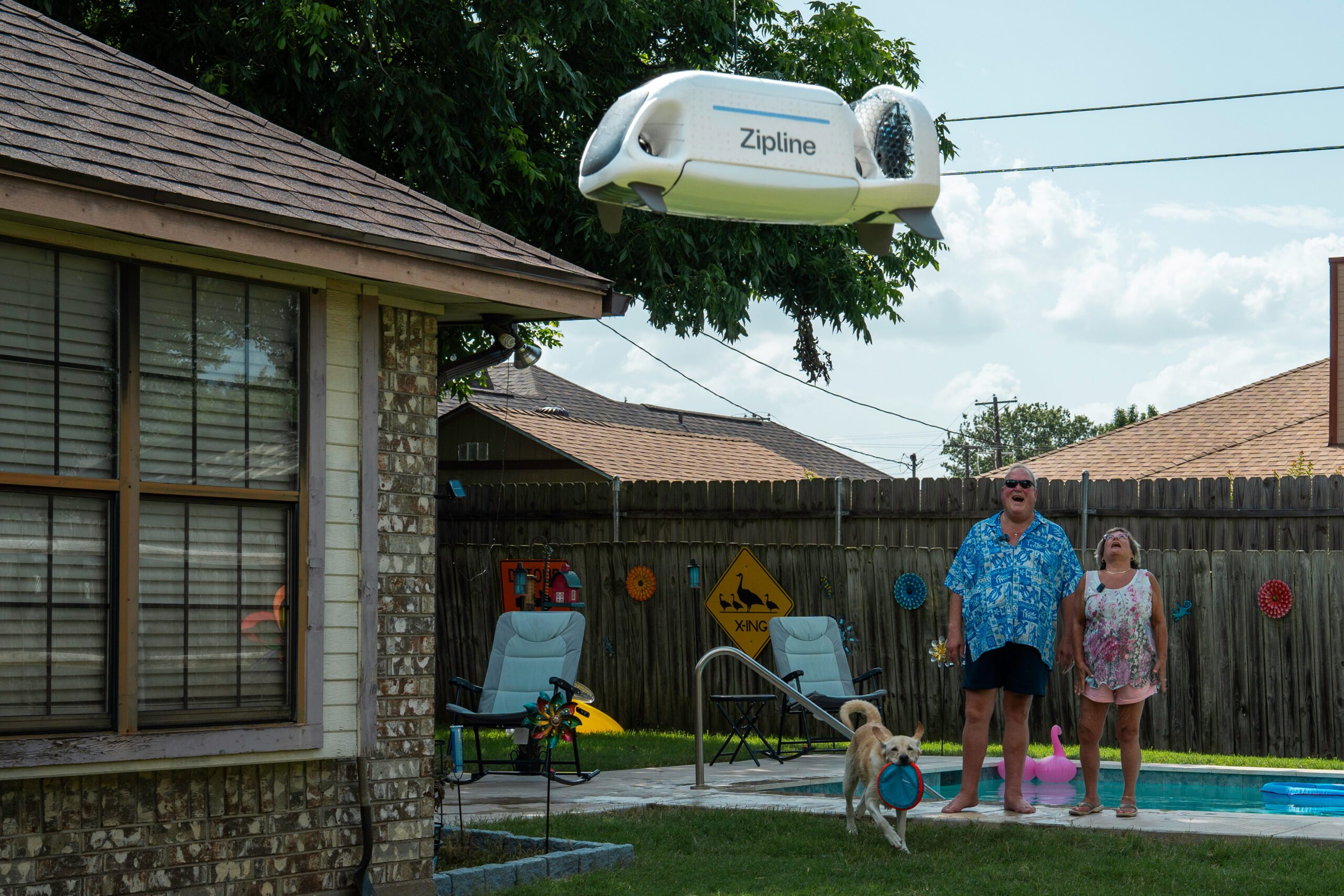
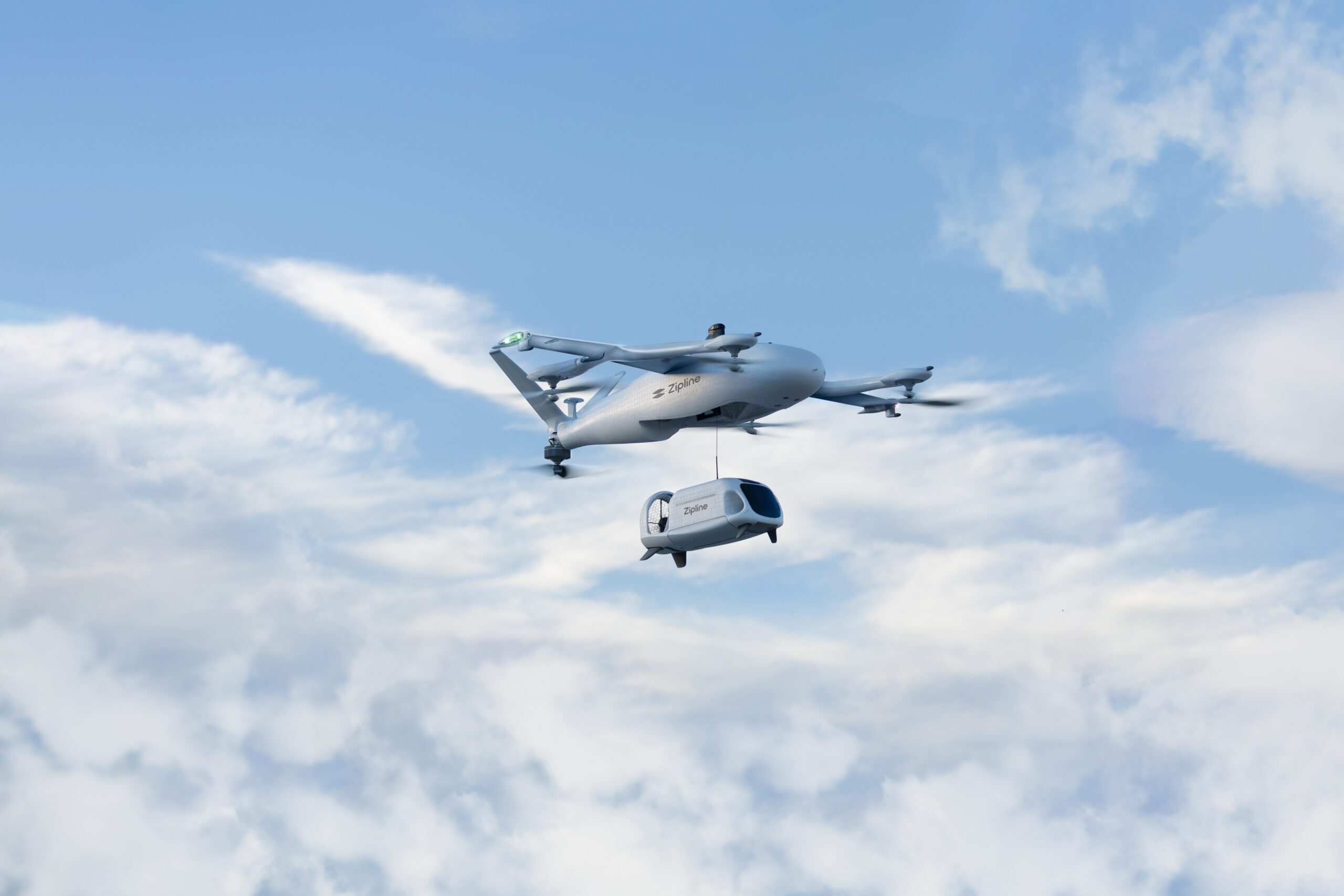
Under the proposed BayCare UAS delivery system, a provider would place an order into a Zipline Dropbox at a designated BayCare site. Zipline’s electric-powered drone, housed in one of two charging stations located in Pinellas County, would then retrieve the order and fly autonomously to its destination, whether that’s to another BayCare facility or to a patient’s yard.
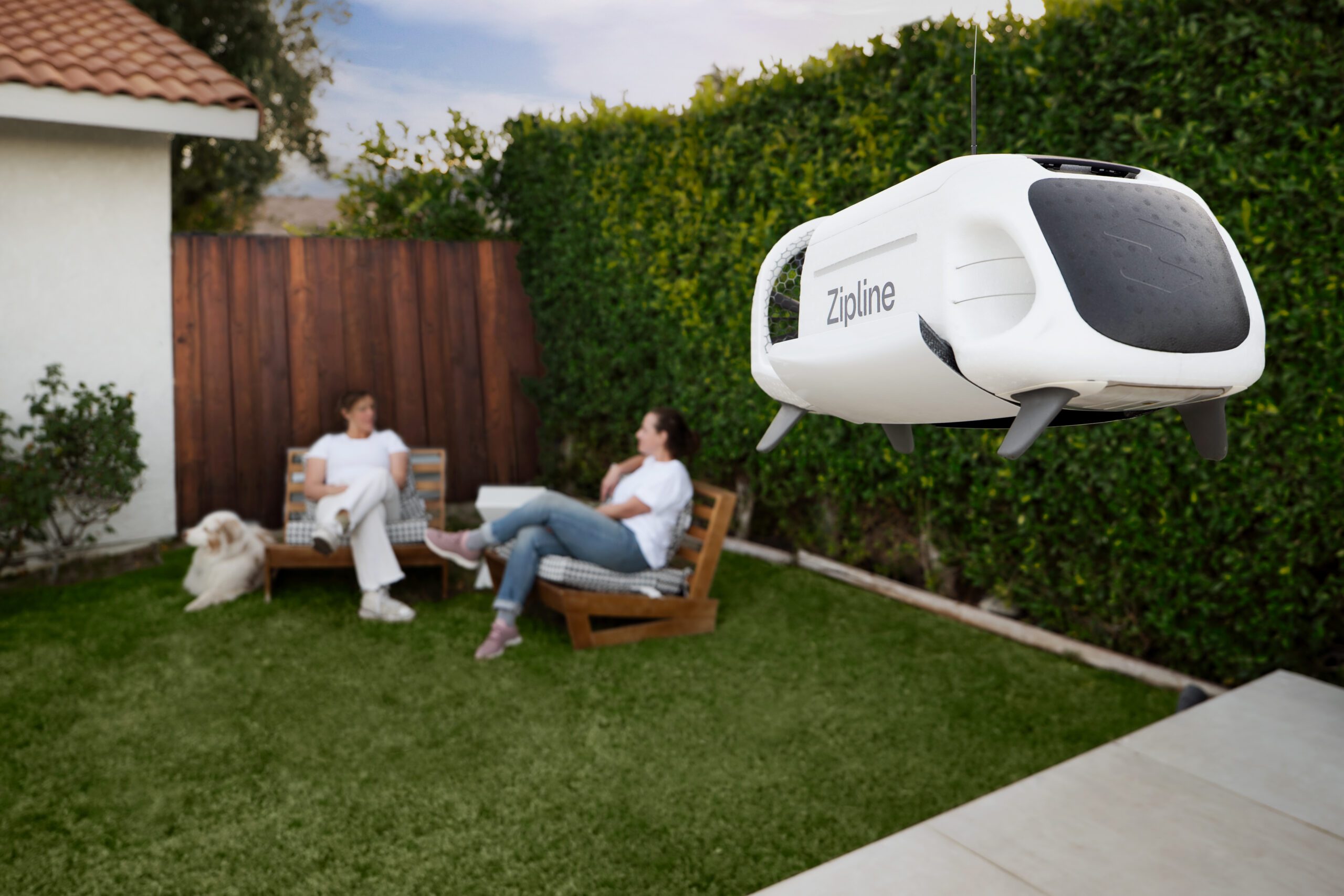
Upon arrival at its destination, the drone will hover at an altitude of about 300 feet and lower a pod containing the order to the ground on a tether. After completing the delivery, the UAV will return to its charging station to await its next mission.
According to a BayCare statement, the system is designed to makes precise deliveries, even in high winds or other inclement weather conditions. The proposed drone delivery will help lower delivery-related emissions and traffic congestion, while the Zipline vehicles are designed to fly at high enough altitudes to reduce noise that could potentially disrupt neighborhood tranquility.
“For patients, prescription delivery by Zipline will be optional as the program is designed to make it easy to receive medications and supplies without requiring a trip to a pharmacy or care site,” the statement asserts.
BayCare says the new delivery system will be designed to provide faster and more reliable delivery service while reducing the need for ground-vehicle trips, especially for small, time-sensitive items.
The hospital system said it agreed to partner with Zipline based on the company’s proven track record in drone delivery services. In 2022, Zipline obtained its FAA Part 135 air carrier certification, which allows the company to conduct BVLOS flights and to fly over people in order to make its commercial deliveries.
“Zipline’s zero-emission aircraft have safely flown more than 135 million autonomous commercial miles globally, delivering more than 20 million items,” the BayCare statement says.
Zipline expansion plans
Zipline’s partnership agreement with BayCare is just the latest partnership between the drone delivery company and major U.S. hospital systems. The company operates similar drone delivery services in about a dozen of the largest health systems in the US, including the Cleveland Clinic, Michigan Medicine, Ohio Health and the Memorial Hermann system in Houston, a Zipline spokesman told DroneLife.
Since its founding as a company, delivering blood supplies in Rwanda in 2014, South San Francisco, California-based Zipline has expanded its reach to five African countries as well as cities in the United States and Japan. Its drone delivery services include deliveries of food, retail items, agricultural products and health-related items.
The company recently raised $800 million in investments, much of which it said it plans to use to fund its expansion in U.S. markets. Last September, Zipline announced a major expansion to its U.S. manufacturing facilities, allowing it to produce up to 15,000 autonomous aircraft per year.
In January, Zipline announced it would expand its operations in the U.S. to Houston and Phoenix.
Zipline in April said it was expanding the number of brands for its food delivery service in Texas. Eligible customers near Rowlett, Texas, can now order food from 16 brands, including Walmart, Crumbl Cookies, Little Caesars Pizza, Popeyes, Blaze Pizza, and local favorites Village Coffee by Altara and Torta Shell Taqueria. Currently, the company operates on four continents, making a delivery somewhere in the world every 20 seconds, and serving more than 5,000 hospitals and health facilities.
“The comms team is expanding because we’ve had so many announcements, so much news to make over here. It’s a good problem to have,” the spokesman said.
Read more:
- Zipline Surpasses 2 Million Deliveries with Expansion to Houston and Phoenix
- What Ordering Walmart by Drone Looks Like as Houston Service Expands
- Dublin Hospitals Test High-Speed Drone Delivery With Manna

Jim Magill is a Houston-based writer with almost a quarter-century of experience covering technical and economic developments in the oil and gas industry. After retiring in December 2019 as a senior editor with S&P Global Platts, Jim began writing about emerging technologies, such as artificial intelligence, robots and drones, and the ways in which they’re contributing to our society. In addition to DroneLife, Jim is a contributor to Forbes.com and his work has appeared in the Houston Chronicle, U.S. News & World Report, and Unmanned Systems, a publication of the Association for Unmanned Vehicle Systems International
Leave a Reply