
Study Examines Potential Role of Drones in Future Transplant Logistics
All images, courtesy NASA.
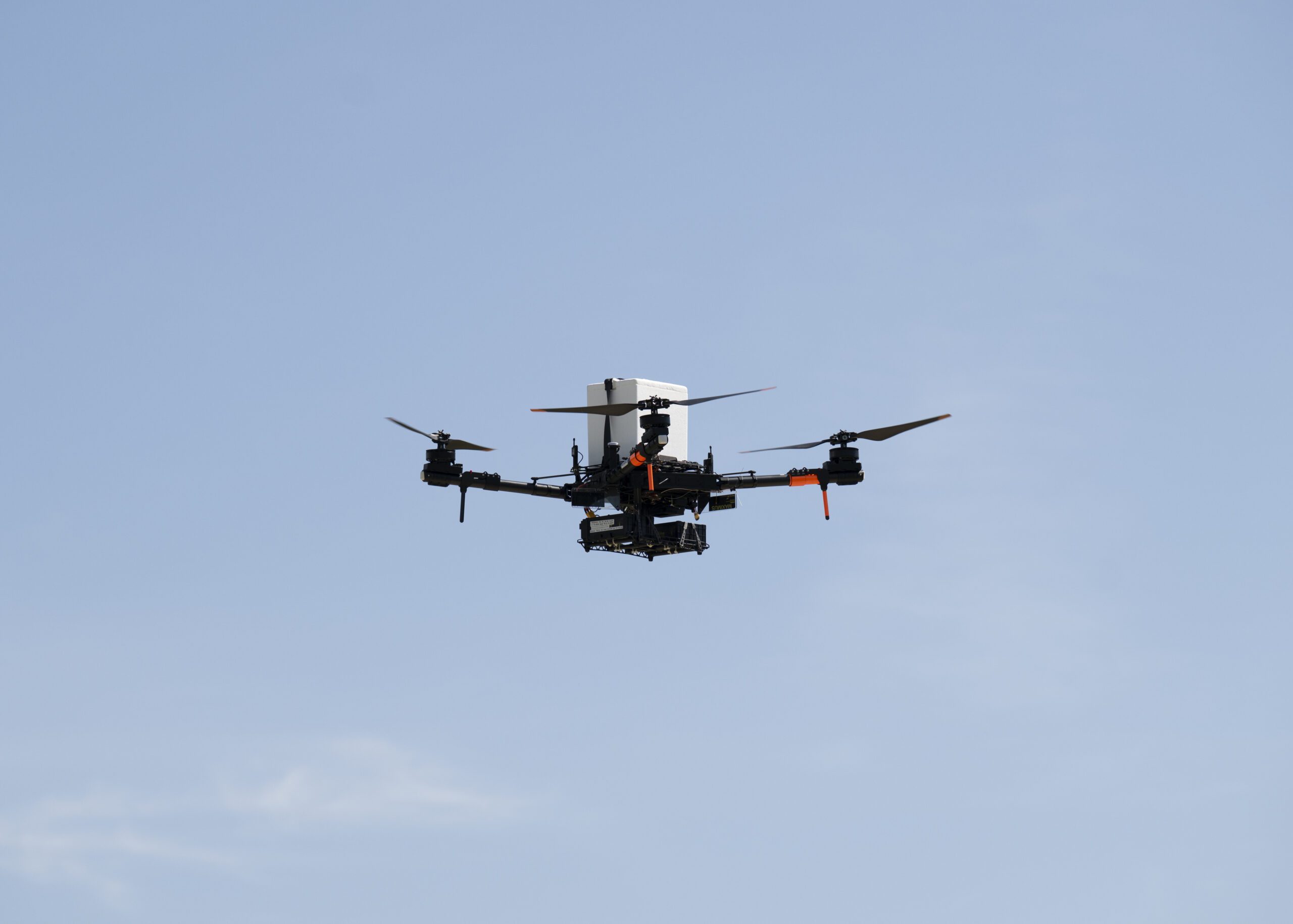
A new research collaboration between the United Network for Organ Sharing (UNOS), NASA Langley Research Center, and LifeNet Health has demonstrated the successful transportation of human kidneys by drone beyond visual line of sight (BVLOS), marking a significant step in exploring new methods for organ transportation.
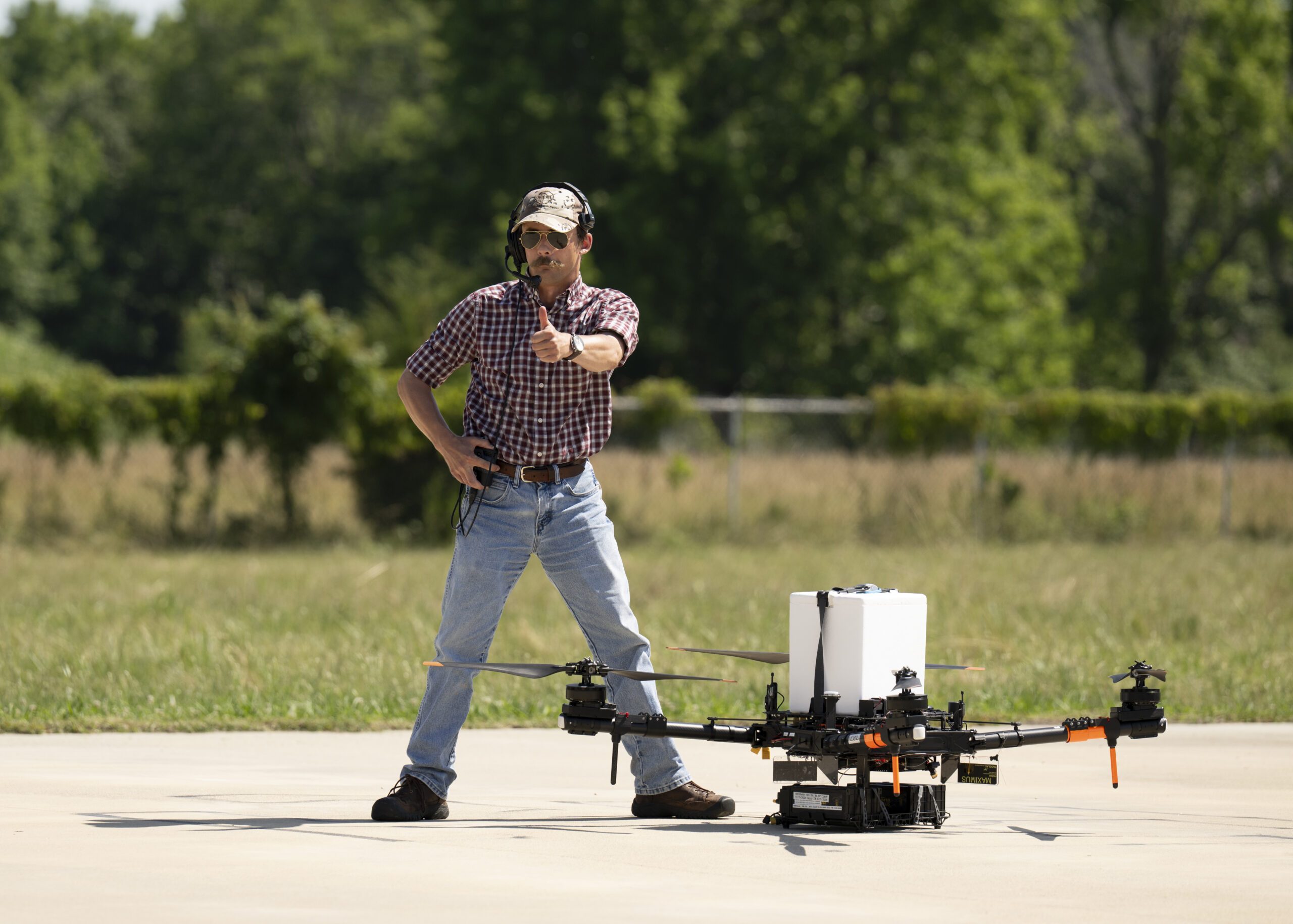
The study, conducted on June 5 in Virginia, evaluated whether drone transportation could support future advances in transplant logistics. Researchers transported donated human kidneys by drone during approximately 15-minute flights while monitoring environmental conditions and organ integrity throughout the process.
According to the organizations involved, the flights were designed to assess whether drone transportation could help improve reliability and efficiency in the movement of organs used for transplantation.
Evaluating Organ Integrity During Flight
Researchers biopsied the kidneys and placed them on preservation pumps both before and after the flights. The teams monitored temperature, pressure, and altitude throughout the operation.
Preliminary findings showed no evidence that the drone flights negatively affected the organs.
“With more than 100,000 people currently waiting for a lifesaving transplant nationwide, innovation in organ transportation is essential,” said UNOS Interim CEO Mark Johnson. “This successful collaboration represents an important step toward making organ transportation safer, faster and more efficient.”
The kidneys used during the study were donated for research through LifeNet Health after medical teams determined they would not be used for transplantation. Researchers used the organs to evaluate how drone transportation may support future improvements in preservation and logistics.
Time Remains a Critical Factor in Transplantation
Organ transportation presents unique challenges because organs remain viable for only a limited period after recovery. Delays can affect organ function, transplant outcomes, and whether a transplant can occur at all.
According to UNOS, transportation improvements could help reduce delays and expand access to transplantation. National transplant data shows that another person joins the U.S. transplant waiting list every eight minutes. Thirteen people die each day while waiting for an organ transplant. More than 3,000 people in Virginia currently remain on the transplant waiting list.
The use of drones for medical delivery has attracted growing interest in recent years. Drone operators have already demonstrated the transportation of blood products, laboratory samples, medications, and medical supplies. Several organizations have also conducted pilot projects involving transplant-related logistics.
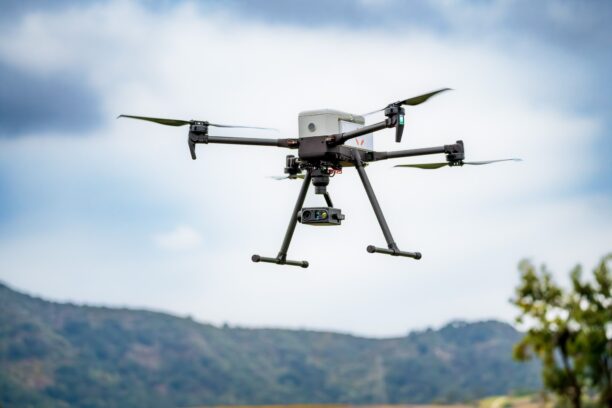
One of the most widely cited milestones occurred in 2019, when researchers at the University of Maryland Medical Center completed the first drone delivery of a human kidney that was subsequently transplanted into a patient. Since then, researchers have continued exploring how uncrewed aircraft systems could support healthcare delivery, particularly in time-sensitive situations.
Research Donation Supports Future Medical Advances
The organizations also emphasized the role of research donation in advancing transplantation science.
“Research donation plays a vital role in advancing medicine and transplantation,” said Rony Thomas, President and CEO of LifeNet Health. “While not every organ can be transplanted, many can still contribute to scientific discovery and innovations that may help save countless lives in the future.”
According to LifeNet Health, organs and tissues that cannot be used for transplantation may still help researchers improve preservation techniques, develop therapies, and evaluate new technologies.
The organizations noted that research donation occurs only with proper authorization and under established ethical and regulatory standards. Families receive information about the process and can make informed decisions regarding donation.
Looking Ahead
While the June flights were conducted using research organs rather than transplant organs, the results may help inform future operational testing.
UNOS, NASA, and LifeNet Health said they plan to continue evaluating drone transportation in real-world settings. Future studies may include transporting research organs between hospitals and airports to better understand how drone systems could fit into existing transplant networks.
As drone technology continues to mature, healthcare organizations are examining whether uncrewed aircraft can complement traditional transportation methods. The goal remains reducing delays and improving the movement of time-sensitive medical materials, including organs intended for transplantation.
Read more:
- UNOS and NASA Partner to Study Drone Organ Transport
- Mid-America Transplant Opens 160-Mile Drone Corridor for Organ Donation
- Drones for Organ Transport: Revolutionizing the Field of Transplants

Miriam McNabb is the Editor-in-Chief of DRONELIFE and CEO of JobForDrones, a professional drone services marketplace, and a fascinated observer of the emerging drone industry and the regulatory environment for drones. Miriam has penned over 3,000 articles focused on the commercial drone space and is an international speaker and recognized figure in the industry. Miriam has a degree from the University of Chicago and over 20 years of experience in high tech sales and marketing for new technologies.
For drone industry consulting or writing, Email Miriam.
TWITTER:@spaldingbarker
Subscribe to DroneLife here.




Leave a Reply