
 New Research on Producing Hydrogen from Seawater Could Help Boost Hydrogen Drone Tech
by DRONELIFE Staff Writer Ian J. McNabb
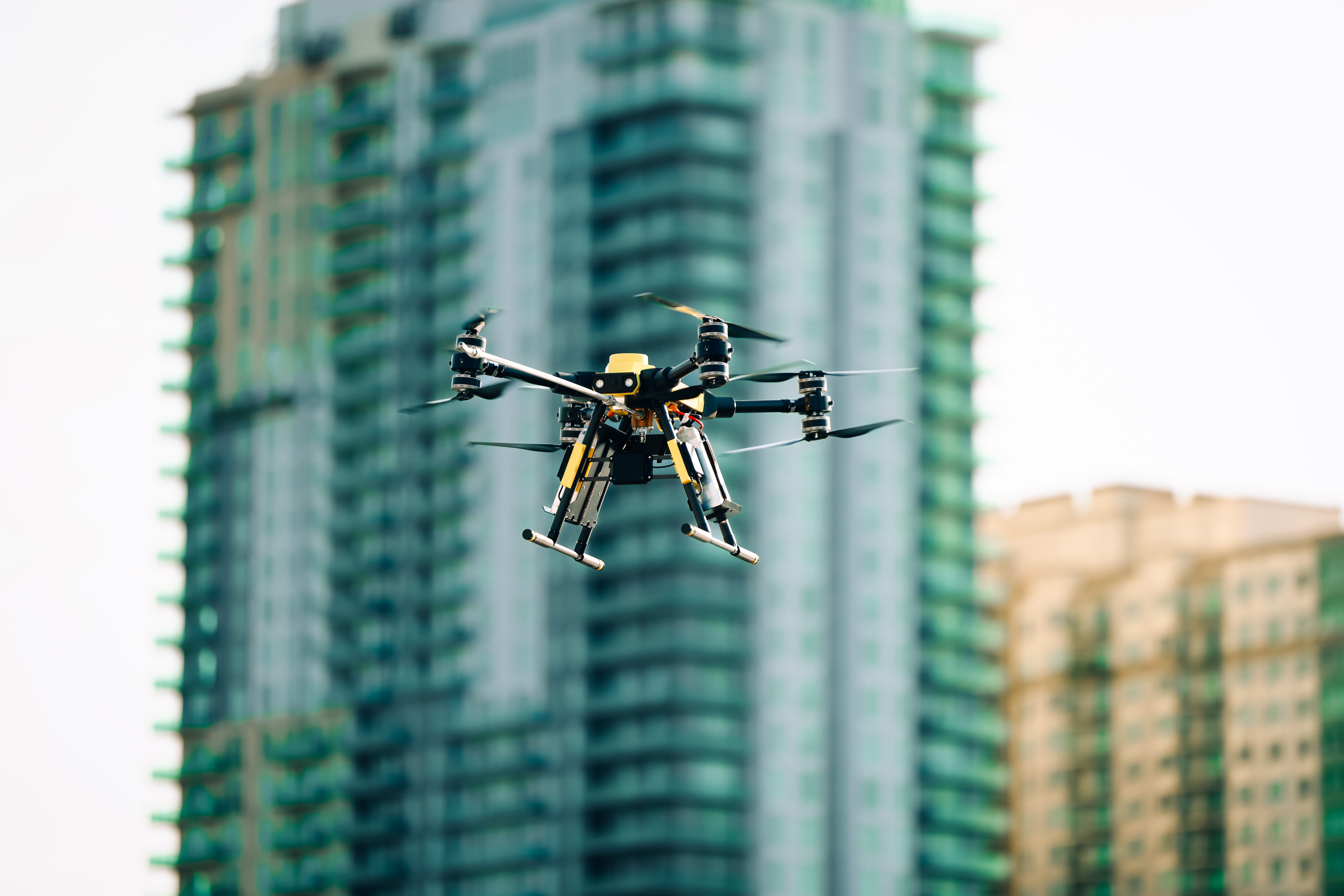
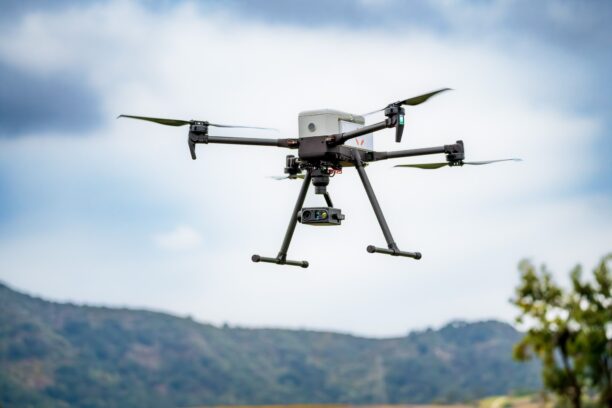
As drone developers and consumers seek drones with longer ranges and higher payloads, the limitations of the lithium-ion batteries that power the grand majority of commercial UAVs have become ever more clear. While exciting development continues on battery-swapping technology designed to increase range, (read here), one possible solution to the ongoing challenge could be drones powered via hydrogen fuel cells instead. Fuel cells have been used everywhere from consumer cars to space rockets, so it’s easy to understand the appeal of hydrogen fuel in commercial or public-sector drone operations. As Bentzion Levinson, CEO of Heven Drones, highlighted in his May Op-Ed (read here), hydrogen’s low weight, power efficiency, and zero-emission operation make it a compelling choice to replace lithium-ion batteries, which also require large global supply chains to manufacture. Hydrogen-powered drones could have significantly higher payloads and ranges than battery-powered units, all while being easier to manufacture.
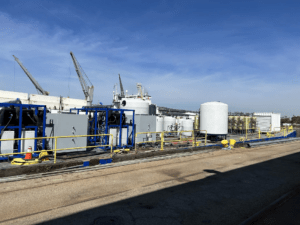
Despite these undeniable advantages, hydrogen adoption has been fairly slow due to a relatively high fuel cost and poor existing infrastructure. Equatic, a California-based startup, has an innovative new approach to producing clean hydrogen fuel by processing the carbon dioxide from seawater, an important form of carbon capture that also creates hydrogen fuel as a byproduct. The company, which was recently spun out of UCLA’s Institute for Carbon Management, is converting the carbon in aquatic CO² into a seashell-like material that they believe will be harmless to ocean life. While some experts are concerned about the technology’s effect on ocean chemistry, the company says that its technology is safe and environmentally sound and that the water produced by their process is comparable to that released from desalination plants.
Recently, Boeing announced a $50 million deal with Equatic for both carbon credits and clean hydrogen fuel to be processed in its upcoming commercial facility, a first-of-its-kind investment that signals increased investment in hydrogen infrastructure for the aerospace industry. The US Department of Energy has released a Clean Hydrogen Strategy and Roadmap that clearly lays out the importance of hydrogen infrastructure to America’s energy future, and the Bipartisan Infrastructure Act included $9.5 billion in funds for clean hydrogen energy that will certainly accelerate the development of hydrogen technology, both in UAVs and elsewhere. As hydrogen technology continues to see investment and development, expect to see more fuel cell-powered drones taking to the skies, flying longer and carrying more.
Read more:
- Could Hydrogen Be the Power Source the Drone Industry is Looking for? [DRONELIFE Exclusive Op-Ed]
- Heven Drones on the Drone Radio Show Podcast: Hydrogen Fueled UAVs Take to the Skies
- More Powerful, Still Emission Free: ZAL GmbH Partners with Wingcopter for Hydrogen Drone Project
- Australia’s First Hydrogen-Electric VTOL Drone: H3 Dynamics and Carbonix Partner
Ian McNabb is a staff writer based in Boston, MA. His interests include geopolitics, emerging technologies, environmental sustainability, and Boston College sports.

Miriam McNabb is the Editor-in-Chief of DRONELIFE and CEO of JobForDrones, a professional drone services marketplace, and a fascinated observer of the emerging drone industry and the regulatory environment for drones. Miriam has penned over 3,000 articles focused on the commercial drone space and is an international speaker and recognized figure in the industry. Miriam has a degree from the University of Chicago and over 20 years of experience in high tech sales and marketing for new technologies.
For drone industry consulting or writing, Email Miriam.
TWITTER:@spaldingbarker
Subscribe to DroneLife here.

[…] Supply hyperlink […]