• Skip to main content
  • Skip to secondary menu
  • Skip to primary sidebar
  • Skip to secondary sidebar
  • Skip to footer
  • DroneRacingLife
  • DroneFlyers
  • Newsletter
DroneLife

DRONELIFE

Stay up to date on all the latest Drone News

  • News
  • Products
  • Industries
    • Agriculture
    • Construction
    • Delivery
    • Dual Use
    • Inspection
    • Public Safety
    • Surveying
  • Enthusiasts
  • Regulations
  • Business
  • Video
  • Podcasts

Steve Rhode’s Public Safety Drone Column: COA (Certificate of Waiver or Authorization) Pitfalls

April 22, 2021 by staff 11 Comments

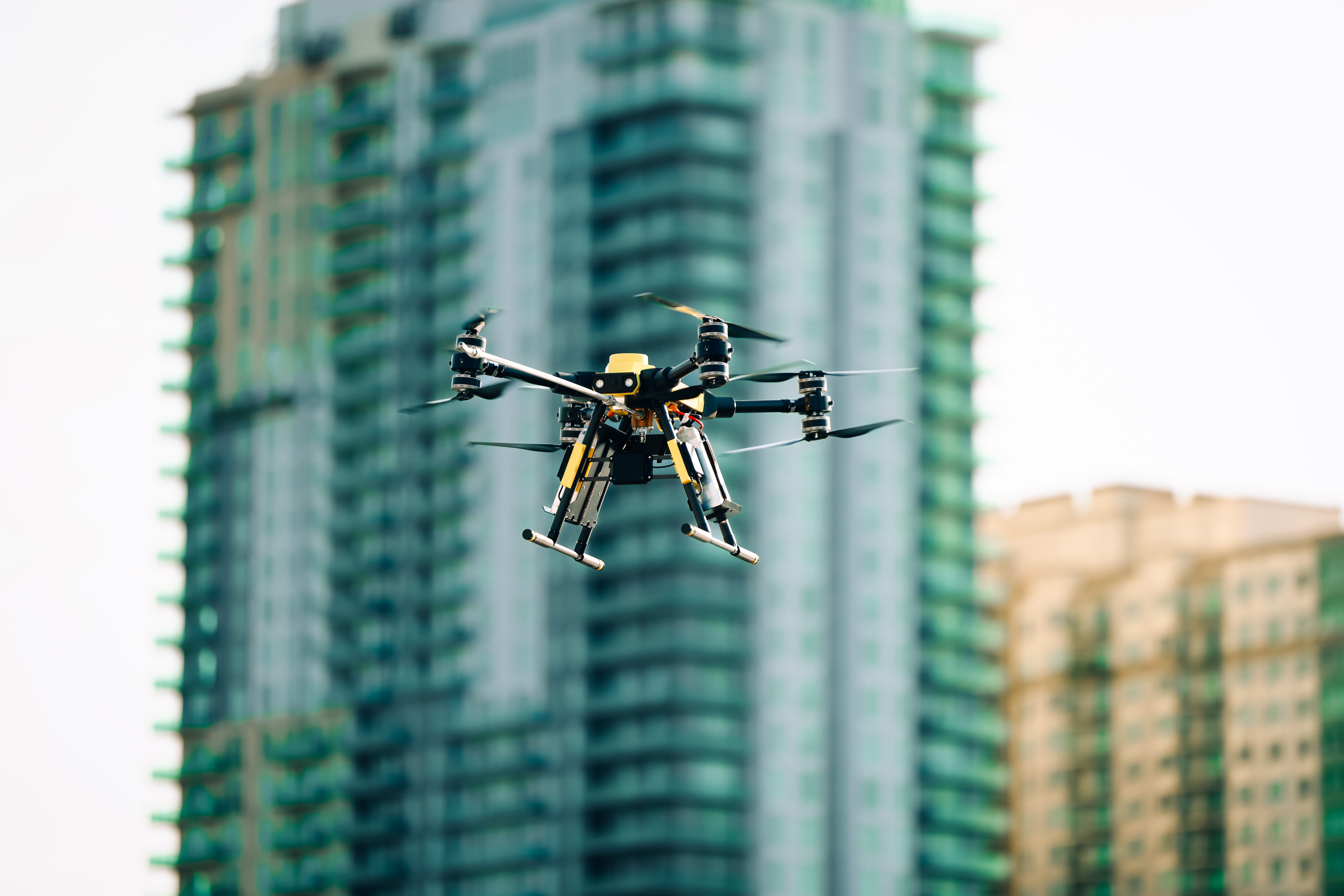
Photo © Lewis Clarke (cc-by-sa/2.0)

Is a Certificate of Authorization (COA) the right way for your public safety department to operate?  Here, Steve Rhode discusses when and why it may be appropriate – or not – to operate under a COA.

The following is one of a biweekly series on public safety drone issues by Steve Rhode, Chief Pilot with the Wake Forest Fire Department and the North Carolina Public Safety Drone Academy, and founder of Public Safety Flight, a website dedicated to information about the use of unmanned aircraft systems (UAS), UAVs, aircraft, and drones in public safety. (Not to be contrued as legal advice: please see details at the FAA government site.)

The Elusive COA White Whale

Many public safety drone operations decide to fly under a Certificate of Waiver or Authorization (COA) to conduct flight operations for their government operations.

In my experience, many decide to go this route because some salesperson or a friend has said it is the easiest way to conduct operations.

I had a Sheriff’s office tell me why they went to the COA route to self-certify their pilots because they could not pass the Part 107 certificate exam. 

Another office told me they went with the COA to avoid paying Part 107 test fees. 

Those are not good reasons for flying under a COA. Not even close.

So Let’s Consider the Facts

Flight operations under a COA require the agency to certify the drones are airworthy. But how can they do that if the drones flying today hold no airworthiness certification? 

In 2018 I wrote about many of the COA operation pitfalls. Those issues still exist today. 

The issues of concern fall into two primary categories:

Category 1

The first is the lack of liability and responsibility for oversight and compliance with the flight rules, awareness the pilot, department, agency, county, and state government are taking on when they operate a COA program. Errors and problems found in a COA program open nearly unlimited liability for that chain of involved parties. The responsibility and obligation to comply with the flight rules do not go away when self-certifying or operating as a Public Aircraft in the NAS.

For example, if you are operating a drone that has a known history of failures, flyaways, incidents, or accidents, you might want to read Your Public Safety Drone May Not Be Safe for Flight and Attorneys Might Just Eat You for Lunch.

Category 2

This second area is the more problematic concern. 

I’m not confident that new public safety drone COA operators understand what they are signing up to be responsible for managing.  

The COA documents issued to departments provide some guidance, but what they don’t say is often not understood by organizations flying under a COA even though they are responsible for complying with the federal regulations.

Not every flight a department might fly is a Public Aircraft Operation (PAO) which means it’s a civil flight, governed by Part 107, and a COA is not applicable. If the pilot is not a Part 107 certificated pilot, those civil flights will be illegal flights and the operator is likely to be in violation of a number of 14 CFR Part 107 regulations.

Pilots under COAs have personal and full responsibility for all flights they are the Remote Pilot in Command on. They and the Responsible Person tied to the COA can be held personally responsible for all enforcement and civil penalties for their operations. While the COA agency takes over many of the FAA’s responsibilities for overseeing the flight operation, they don’t eliminate all civil regulations and don’t excuse non-compliance.  

For example, CFR 91.3 and 91.13 are the big gotchas that will nail every pilot if an issue, incident, or accident escalates

But that isn’t even the primary concern. It still seems nearly impossible for an inexperienced flight operation to engage in a program that meets the requirements of what is expected of them.

Larger government aviation programs that operate and fly PAO flights have found themselves on the wrong end of FAA actions and NTSB evaluations.  In one accident report of a PAO flight, the NTSB said, “Because the airplane was operated as a public aircraft operation, the Department of Interiors (DOI) training program was not subject to the civil aircraft requirements. An NTSB review of the flight training program revealed a general outline with hour requirements. The flight training program did not include curriculums, events, or testing and checking procedures. No written maneuvers and procedures guide, with acceptable performance standards was developed, therefore no standardization existed within the pilot group, and tribal knowledge and experimentation were accepted as part of the organization’s culture. Multiple checklists existed for the airplane, and pilots were allowed to use whichever checklist they preferred. DOI did not/nor were they required to incorporate best practices and industry standards into their training program and airplane operations, and no FAA oversight was required or provided.”

In another, the NTSB found, “The investigation also identified that the Alaska DPS lacked organizational policies and procedures to ensure that operational risk was appropriately managed both before and during the mission. Such policies and procedures include formal pilot weather minimums, preflight risk assessment forms, and secondary assessment by another qualified person trained in helicopter flight operations. These risk management strategies could have encouraged the pilot to take steps to mitigate weather-related risks, decline the mission, or stay on the ground in the helicopter after rescuing the snowmobiler. The investigation also found that the Alaska DPS lacked support for a tactical flight officer program, which led to the unavailability of a trained observer on the day of the accident who could have helped mitigate risk.”

While the NTSB report above mentions helicopters. The FAA views helicopters and drones both as aircraft.

What, Me Worry?

As part of the COA, the department faces what manned pilots call a ramp check; you receive a surprise visit from an FAA representative on the ramp at the airport. 

Look at your COA and see if you have similar language to this in yours, “During the time this COA is approved and active, a site safety evaluation/visit may be accomplished to ensure COA compliance.”

Some recent crash investigations of a public entity by the FAA found massive numbers of violations or non-compliant operations in public safety COA programs. It is happening, but nobody wants to raise their hand and talk about being caught by the FAA.

Steve RhodeSteve Rhode is an FAA-certificated airplane commercial and instrument certificated pilot, an experienced Part 107 UAS commercial pilot, and Chief Pilot with the Wake Forest Fire Department and the North Carolina Public Safety Drone Academy. He provides expert advice to drone pilots through Homeland Security Information Network and as an FAA Safety Team drone expert.   Steve is the founder Public Safety Flight, a website dedicated to news, honest information, tips, and stories about the use of unmanned aircraft systems (UAS), UAVs, aircraft, and drones in the fire service and other public safety niches.  Sign up for the Public Safety Flight newsletter to join Steve’s private email list, or contact Steve here.  In the airplane, his FAA callsign is Fire Demon 1: and Firebird 1 with the drone.
 

Filed Under: Drone News Feeds, News Tagged With: Certificate of Authorization, COA, FAA Regulations, FAA Rules, Part 107, Public Safety

Reader Interactions

Trackbacks

  1. Steve Rhode’s Public Safety Drone Column: COA (Certificate of Waiver or Authorization) Pitfalls - Eledonk Electronics says:
    April 23, 2021 at 3:18 am

    […] post Steve Rhode’s Public Safety Drone Column: COA (Certificate of Waiver or Authorization) Pitfall… appeared first on […]

    Reply
  2. Steve Rhode’s Public Safety Drone Column: COA (Certificate of Waiver or Authorization) Pitfalls – Top Drones & reviews says:
    April 22, 2021 at 11:05 pm

    […] post Steve Rhode’s Public Safety Drone Column: COA (Certificate of Waiver or Authorization) Pitfalls appeared first on […]

    Reply
  3. Steve Rhode’s Public Safety Drone Column: COA (Certificate of Waiver or Authorization) Pitfalls - DronesOnline.site says:
    April 22, 2021 at 9:17 pm

    […] post Steve Rhode’s Public Safety Drone Column: COA (Certificate of Waiver or Authorization) Pitfall… appeared first on […]

    Reply
  4. Public Safety Drones Operating Under a COA - kameratalk.com says:
    April 22, 2021 at 8:42 pm

    […] Source link […]

    Reply
  5. Public Safety Drones Operating Under a COA - Go Drones Blog says:
    April 22, 2021 at 4:09 pm

    […] In Steve Rhode's public safety drone column, he explores when and why operating under a Certificate of Authorization (COA) is appropriate. Source […]

    Reply
  6. Steve Rhode’s Public Safety Drone Column: COA (Certificate of Waiver or Authorization) Pitfalls – DronePilots.News says:
    April 22, 2021 at 2:25 pm

    […] Source […]

    Reply
  7. Public Safety Drones Operating Under a COA – Dronestagram Blog says:
    April 22, 2021 at 2:23 pm

    […] More… […]

    Reply
  8. Public Safety Drones Operating Under a COA – Game of Drones says:
    April 22, 2021 at 1:57 pm

    […] Article Source […]

    Reply
  9. Public Safety Drones Operating Under a COA – Drone Observer says:
    April 22, 2021 at 1:45 pm

    […] Source link […]

    Reply
  10. Steve Rhode’s Public Safety Drone Column: COA (Certificate of Waiver or Authorization) Pitfalls | Drone Magazine says:
    April 22, 2021 at 1:42 pm

    […] Source […]

    Reply
  11. Steve Rhode’s Public Safety Drone Column: COA (Certificate of Waiver or Authorization) Pitfalls – DronePilots.News says:
    April 22, 2021 at 1:25 pm

    […] post Steve Rhode’s Public Safety Drone Column: COA (Certificate of Waiver or Authorization) Pitfalls appeared first on […]

    Reply

Leave a Reply Cancel reply

Your email address will not be published. Required fields are marked *

Primary Sidebar

LATEST

Donecle Raises €10 Million to Expand Drone-Based Aircraft Inspection Platform

Funding will support international growth and further development of AI-driven maintenance solutions Donecle, a France-based company specializing in automated aircraft…

Continue Reading Donecle Raises €10 Million to Expand Drone-Based Aircraft Inspection Platform

Is the U.S. Ready for Drone Threats at World Cup Scale?

U.S. faces multiple challenges in counter-UAS buildup By DRONELIFE Features Editor Jim Magill (Editor’s note: This is part of a…

Continue Reading Is the U.S. Ready for Drone Threats at World Cup Scale?

FAA Moves to Close Drone Enforcement Gap with New DETER Program

As detection outpaces enforcement, the FAA introduces faster penalties for rule-breaking operators Detection Has Outpaced Enforcement Drone detection is no…

Continue Reading FAA Moves to Close Drone Enforcement Gap with New DETER Program

HYFIX Raises $15M to Build U.S.-Made Drone Chip Platform

New system-on-chip aims to replace fragmented electronics with a single secure architecture HYFIX Spatial Intelligence, Inc. has announced a $15…

Continue Reading HYFIX Raises $15M to Build U.S.-Made Drone Chip Platform

FCC Grants Conditional Approval to Sees.ai UAS, Signaling New Path for Foreign Drone Systems

Limited public details raise questions about “v.USA 1.0” and how international companies can meet U.S. security requirements The Federal Communications…

Continue Reading FCC Grants Conditional Approval to Sees.ai UAS, Signaling New Path for Foreign Drone Systems

UK Drone Package for Ukraine Signals Push to Scale Domestic Industry

Largest-ever MOD initiative supports Kyiv while strengthening UK drone manufacturing base As the global race to build sovereign drone capability…

Continue Reading UK Drone Package for Ukraine Signals Push to Scale Domestic Industry

What Are People Really Saying About the Commercial Drone Industry?

Industry survey will shape discussion on real-world challenges and opportunities in commercial drone operations Commercial UAV Expo has announced its…

Continue Reading What Are People Really Saying About the Commercial Drone Industry?

Bridging the Gap: Kelluu’s Airships Sit Between Drones and Satellites

Funding led by NATO Innovation Fund supports growth in defense, AI, and dual-use applications Kelluu, a Finnish deep tech company,…

Continue Reading Bridging the Gap: Kelluu’s Airships Sit Between Drones and Satellites

EagleNXT Expands Counter-Drone Capabilities with Strategic Investment and U.S. Joint Venture

Partnership with ThirdEye Systems aims to localize production and accelerate advanced counter-UAS deployment EagleNXT has announced a $10 million strategic…

Continue Reading EagleNXT Expands Counter-Drone Capabilities with Strategic Investment and U.S. Joint Venture

A Smarter City Model: Harrow’s Digital Twin Delivers Real-World Results

New approach reduces maintenance costs and improves planning, engagement, and public services The London Borough of Harrow has launched an…

Continue Reading A Smarter City Model: Harrow’s Digital Twin Delivers Real-World Results

Secondary Sidebar

Footer

SPONSORED

Inspired Flight Gremsy IF800 VIO F1 drones geo week

What Will It Take to Strengthen U.S. Drone Manufacturing? A Conversation with Inspired Flight’s CEO

Global Mapper Mobile data collection

Collection Ground Control Points with Global Mapper Mobile

Military Drone Mapping Solutions

How SimActive’s Correlator3D™ is Revolutionizing Military Mapping: An Exclusive Interview with CEO Philippe Simard

Photogrammetry Accuracy Standards

SimActive Photogrammetry Software: Enabling Users to Meet Accuracy Standards for Over 20 Years

NACT Engineering Parrot ANAFI tether indoor shot

Smart Tether for Parrot ANAFI USA from NACT Engineering

Blue Marble, features global mapper, features Blue Marble

Check Out These New Features in Global Mapper v25 from Blue Marble

About Us | Contact Us | Advertise With Us | Write for Us | Privacy Policy | Terms of Service

The Trusted Source for the Business of Drones.

This website uses cookies and third party services. By clicking OK, you are agreeing to our privacy policy. ACCEPT

Manage consent

Privacy Overview

This website uses cookies to improve your experience while you navigate through the website. Out of these, the cookies that are categorized as necessary are stored on your browser as they are essential for the working of basic functionalities of the website. We also use third-party cookies that help us analyze and understand how you use this website. These cookies will be stored in your browser only with your consent. You also have the option to opt-out of these cookies. But opting out of some of these cookies may affect your browsing experience.
Necessary
Always Enabled
Necessary cookies are absolutely essential for the website to function properly. These cookies ensure basic functionalities and security features of the website, anonymously.
CookieDurationDescription
cookielawinfo-checkbox-analytics11 monthsThis cookie is set by GDPR Cookie Consent plugin. The cookie is used to store the user consent for the cookies in the category "Analytics".
cookielawinfo-checkbox-functional11 monthsThe cookie is set by GDPR cookie consent to record the user consent for the cookies in the category "Functional".
cookielawinfo-checkbox-necessary11 monthsThis cookie is set by GDPR Cookie Consent plugin. The cookies is used to store the user consent for the cookies in the category "Necessary".
cookielawinfo-checkbox-others11 monthsThis cookie is set by GDPR Cookie Consent plugin. The cookie is used to store the user consent for the cookies in the category "Other.
cookielawinfo-checkbox-performance11 monthsThis cookie is set by GDPR Cookie Consent plugin. The cookie is used to store the user consent for the cookies in the category "Performance".
viewed_cookie_policy11 monthsThe cookie is set by the GDPR Cookie Consent plugin and is used to store whether or not user has consented to the use of cookies. It does not store any personal data.
Functional
Functional cookies help to perform certain functionalities like sharing the content of the website on social media platforms, collect feedbacks, and other third-party features.
Performance
Performance cookies are used to understand and analyze the key performance indexes of the website which helps in delivering a better user experience for the visitors.
Analytics
Analytical cookies are used to understand how visitors interact with the website. These cookies help provide information on metrics the number of visitors, bounce rate, traffic source, etc.
Advertisement
Advertisement cookies are used to provide visitors with relevant ads and marketing campaigns. These cookies track visitors across websites and collect information to provide customized ads.
Others
Other uncategorized cookies are those that are being analyzed and have not been classified into a category as yet.
SAVE & ACCEPT