
Recent cases involving misuse of automated license plate readers offer a broader lesson for public safety agencies adopting increasingly capable technology.
News and Commentary. Automated license plate readers help law enforcement find stolen vehicles, locate missing people and develop leads in criminal investigations.
Recent controversies involving Flock Safety cameras also demonstrate the need for strong policies governing access and use.
The issue has particular relevance for the drone industry. Flock is one of the players in the Drone as First Responder (DFR) market: but agencies worldwide are adopting drones from a variety of vendors for real-time situational awareness and improved outcomes. The questions raised by license plate readers apply to DFR as well.
What Flock Cameras Actually Do
Flock Safety’s automated license plate readers, or ALPRs, capture images of vehicles traveling on public roads.
The systems record license plates and vehicle characteristics such as make, model, color and body type. Investigators can search this information for vehicles connected with crimes or missing-person cases. Agencies can also receive alerts when a detected plate matches an approved hotlist.
Flock says its cameras helped with cases involving 1,000 missing people and 20,000 stolen vehicles during July alone. The cameras don’t use facial recognition or identify a person’s race or gender.
Scale, however, creates privacy concerns. A large network of cameras, combined with searchable records and information sharing between agencies, can provide a picture of where a vehicle has traveled.
That investigative capability – which inarguably helps to solve crimes and make communities safer – also makes controls over access important.
Allegations of Misuse Put Oversight in Focus
Several recent cases illustrate the issue.
In New Bedford, Massachusetts, the police department suspended its use of Flock technology after an officer was accused of using the system to track an ex-girlfriend. The officer has denied using Flock for that purpose.
The department said Flock “can be a valuable investigative tool,” while acknowledging “legitimate questions about privacy, access, information sharing, and oversight.”
The Washington Post reported that at least 50 officers had been accused, charged or convicted of misusing Flock or other license plate reader systems. Allegations included searches involving romantic partners and former spouses.
Concerns also extend to information sharing.
In Utah, records obtained by the Utah Civic Compact showed that 10 Weber County cameras had been searched more than five million times since early 2022. Most searches came from law enforcement agencies outside Utah, according to KSL. The group is calling for stronger state rules.
The cases raise practical questions: Who can search the system, for what purposes and across which jurisdictions? How long should information remain available? Who audits its use?
Flock Adds New Guardrails
The problems are due to misuse of the system- not to a flaw, bug, or deliberate program problem. However, facing backlash, Flock is responding with additional technology safeguards.
CEO Garrett Langley announced that several controls previously available to customers will become mandatory for law enforcement agencies by January 1.
Customers will be required to use an auditing system designed to identify unusual searches. Searches must be associated with a criminal case, and users can be locked out while potentially improper activity is reviewed.
Flock also plans to reduce standard data retention from 30 days to seven days. Information connected with an active case can be preserved as evidence.
“If we’re going to build tools this powerful, we have an obligation to help protect the public from the small number of officers that misuse them,” Langley said.
Critics argue that restrictions on police surveillance should be established through law and public policy rather than left primarily to technology vendors.
The Connection to Drones
The same questions apply to Drone as First Responder programs.
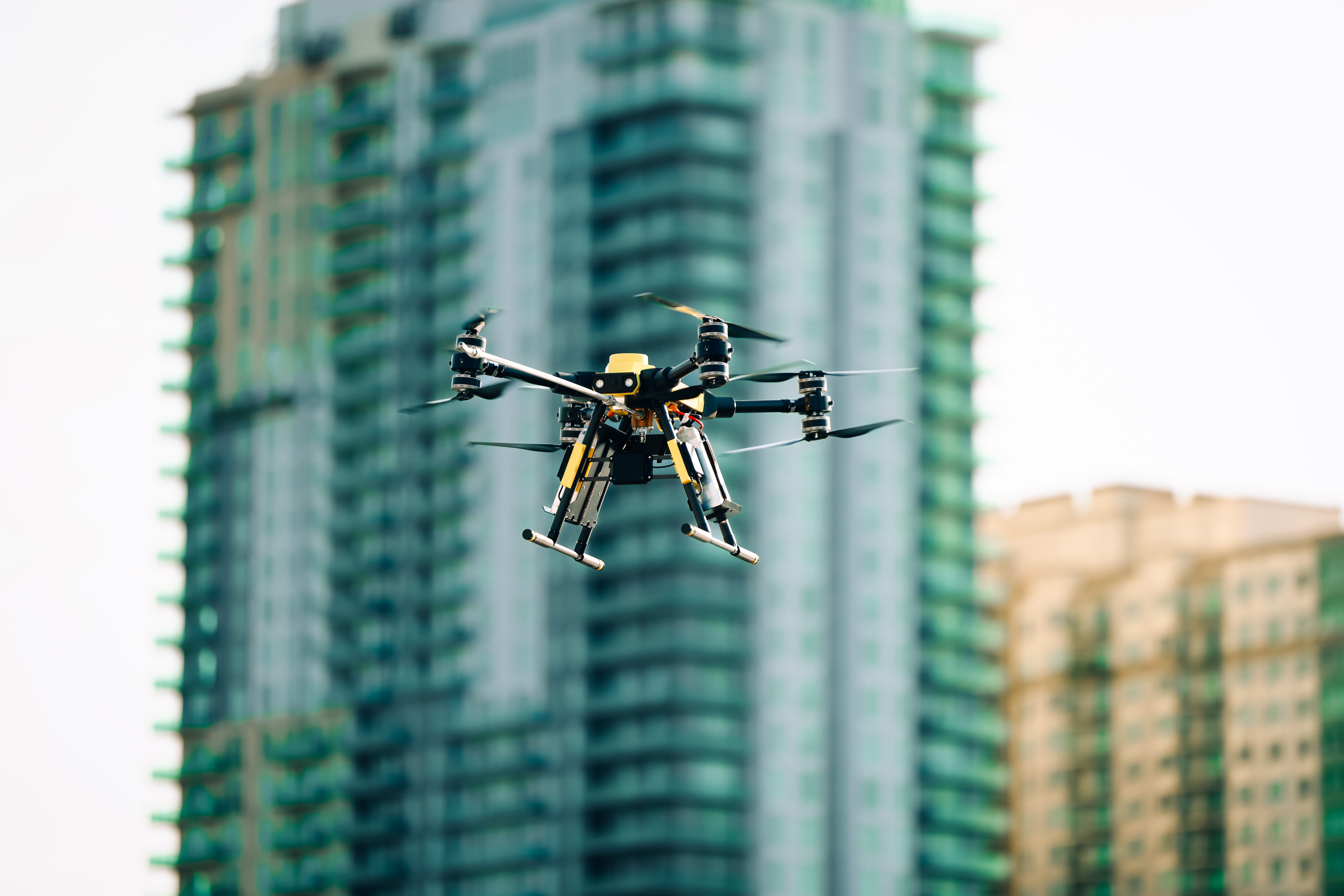
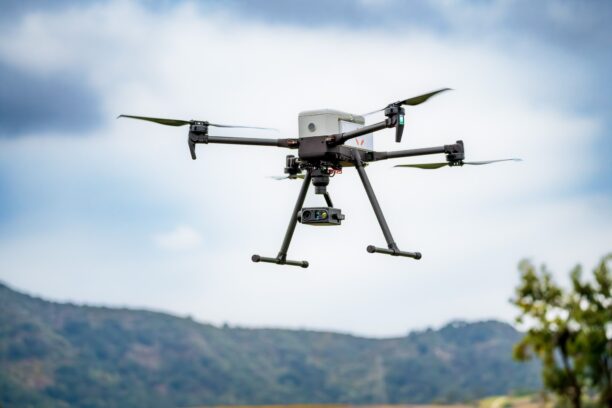
Flock, which acquired Aerodome in 2024, is among the companies offering DFR technology. Across the industry, DFR systems allow agencies to deploy drones rapidly to emergency calls and provide live aerial information before officers arrive.
These systems are powerful and useful tools that keep both officers and communities safer.
DFR systems can also integrate with 911 and computer-aided dispatch systems, license plate readers and other public safety sensors.
The difference is significant. A fixed license plate reader observes vehicles passing one location. A drone can move through a community, change its field of view and provide live aerial imagery.
The greater the capability, the more important it becomes to define how it may be used.
Policy Before Deployment
For DFR programs, agencies should establish those rules before operations begin.
Policies should define authorized uses, access to live and recorded imagery, data retention, information sharing, auditing and prohibited activities. Agencies should also make those policies clear to the communities they serve.
Strong safeguards allow agencies to use these tools for their intended purpose: responding to emergencies, investigating crimes and improving public safety.
The experience with Flock’s camera network offers a timely reminder for DFR. Technology and the policies governing its use need to advance together.
Read more:
- Fort Worth Takes a Vendor-Neutral Approach to Building Its DFR Program
- From One Drone to a Citywide DFR Network: Laredo PD’s Journey
- AirData UAV and LeoSight Bring Live Drone Data for DFR Programs

Miriam McNabb is the Editor-in-Chief of DRONELIFE and CEO of JobForDrones, a professional drone services marketplace, and a fascinated observer of the emerging drone industry and the regulatory environment for drones. Miriam has penned over 3,000 articles focused on the commercial drone space and is an international speaker and recognized figure in the industry. Miriam has a degree from the University of Chicago and over 20 years of experience in high tech sales and marketing for new technologies.
For drone industry consulting or writing, Email Miriam.
TWITTER:@spaldingbarker
Subscribe to DroneLife here.
The potential for misuse of technologies like automated license plate readers really emphasizes the necessity for robust policies. As highlighted, without proper oversight, we could easily erode public trust while trying to enhance safety. It’s a crucial balance that must be addressed. recommended
Interesting take on this topic. Thanks for sharing. check this out
The misuse of automated license plate readers really highlights the critical need for stringent oversight in technology usage. If public safety agencies don’t implement strong guardrails now, we risk compromising privacy and civil liberties in pursuit of security. helpful site
It’s concerning to see how easily technology like automated license plate readers can be misused. I agree that establishing clear guidelines and guardrails is essential for public safety. this resource