
Following a July session for police, fire and water rescue teams from New Jersey and Pennsylvania, the November 21 course shifts to team leadership, mission evaluation and scenario execution.
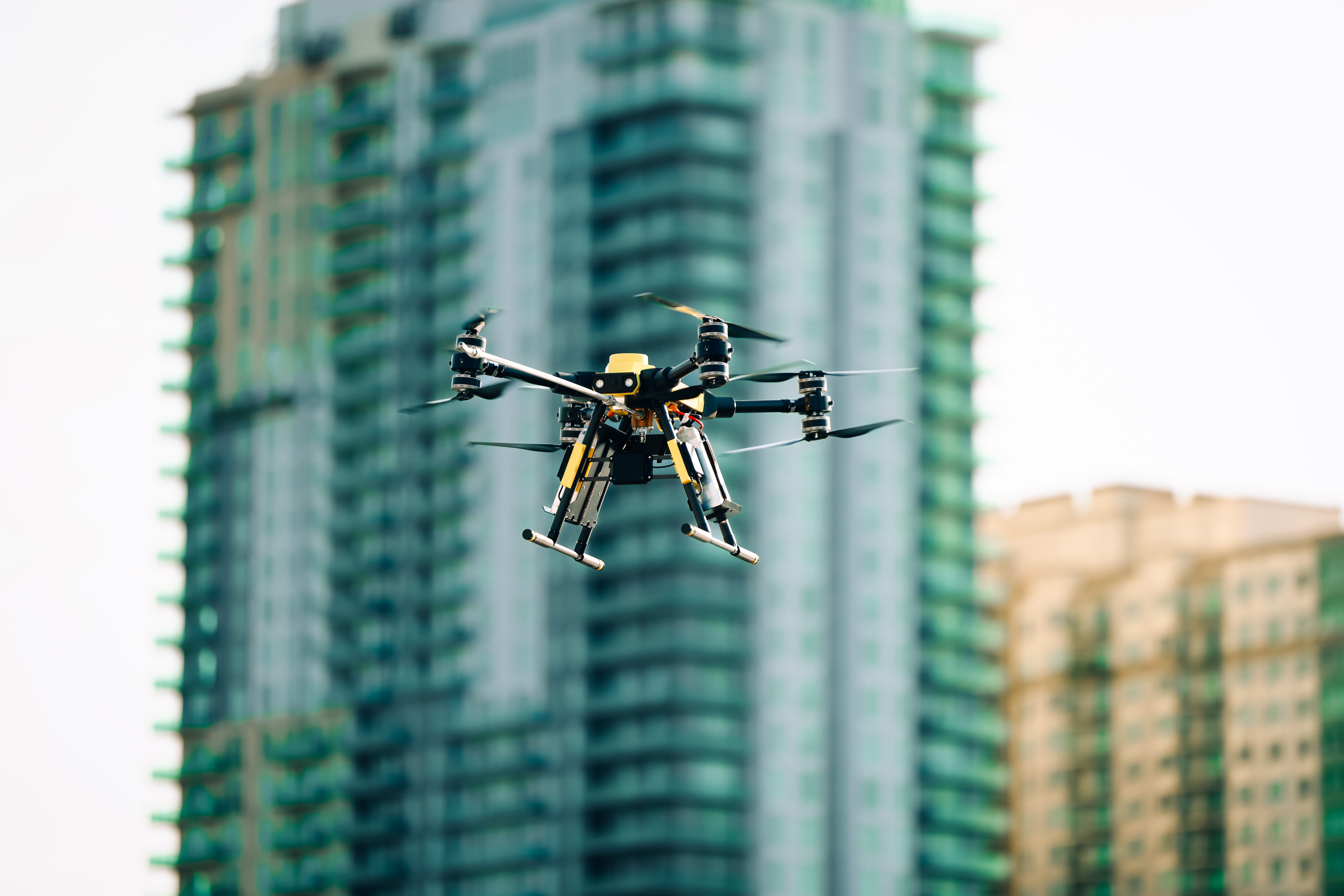
WarrenUAS, the drone training program at Warren County Community College, will host the second course in a tactical drone training series for regional emergency teams on November 21, 2026. The series teaches drone operators from police and fire departments to protect the public from illicit drone use and to apply the technology in new ways. First responders from New Jersey and Pennsylvania completed the first one-day session in July, which covered drones as a tactical asset, situational awareness and operational safety for unmanned aircraft systems.
Tracer Drone Technologies, a UAS hardware supplier based in Phillipsburg, New Jersey, presented the training. Carl Makins, owner of Shadow Tech LLC, served as instructor. Makins is a former explosive ordnance disposal technician and certified SWAT operator with experience across multiple UAS platforms, and he holds a master’s degree in homeland security from the Naval Postgraduate School.
“Technology to aid law enforcement and first responders is expanding every day,” said Peter Miller, chief pilot at WarrenUAS. “However, personnel must be well trained to deploy these new technologies in a manner that is both effective and safe for both officers and the public. We are honored to be able to utilize our facility and resources to help our local emergency service professionals accomplish their mission.”
“The importance of training is key to the success of first responder drone programs. I am proud to partner with Warren UAS and Shadowtech to offer these services,” said Tony Downs, executive vice president for UxS Solutions at Tracer Drones.
July tactical drone training curriculum
Participating agencies included the Palmer, Pennsylvania fire and police departments, the Bushkill Township, Pennsylvania police department, the Newton, New Jersey police department and the Easton, Pennsylvania water rescue team. All participants already had drone experience. The curriculum covered core safety and operating procedures, tactical missions in dynamic environments, coordination among pilot, visual observer, sensor operator and safety roles, real-time ISR principles and communication with command and ground teams.
The course combined classroom instruction with indoor live-flight exercises using FPV drones owned by the participating departments. First, each pilot flew an obstacle course to establish individual skill level. Teams then rotated through stations that included pre-flight checklist practice, manual flight drills and two staged rooms they had to search and clear. Several participants noted that advanced training for this specialized skill set is difficult to find.
“Too often the public thinks of drones as a toy, but they are a valuable tool for first responders — whether it’s evaluating a fire or crime scene without risking a life or countering the use of a drone for threatening or illegal activity or tracking down a child or an old person in a search-and-rescue, they are a critical new technology,” Makins said.
According to Makins, most police and fire departments either operate drones or are exploring them. However, operators need a wide range of training, and departments need clearer guidance on use cases, policies and procedures.
November team leader course
The November course picks up where the first session ended, but with a different audience in mind. “However, this course is structured to be a team leader’s course,” Miller said. “This intensive executive course will deliver critical skills for experienced drone operators to lead, instruct, and evaluate tactical drone missions in a compressed timeframe. The focus is on decision-making, communication, and scenario execution, not basic flight training.”
Now in its seventh year, WarrenUAS holds several FAA certifications and draws students from northern New Jersey, the Lehigh Valley and law enforcement agencies across the country. The program has grown from a handful of students and a dozen drones to more than 80 students, with access to roughly 90 drone systems valued at more than $5 million across two equipped facilities.
More information is available at Warren County Community College.
Read More
-
Court Challenge Could Shape FCC Authority Over Previously Approved Drones
-
Satellite Applications Catapult Announces National Drone Testing Center at Westcott
-
SimActive Enables Online Sharing of Gaussian Splats From Correlator3D
Leave a Reply