
From first call to final decision, how aerial intelligence is helping Ouachita Parish deputies arrive informed, and safer.
A System Built for Real-Time Response
At the recent Motorola Solutions Summit 2026, DRONELIFE had the opportunity to sit down with Chief Deputy Larry Knight of the Ouachita Parish Sheriff’s Office.
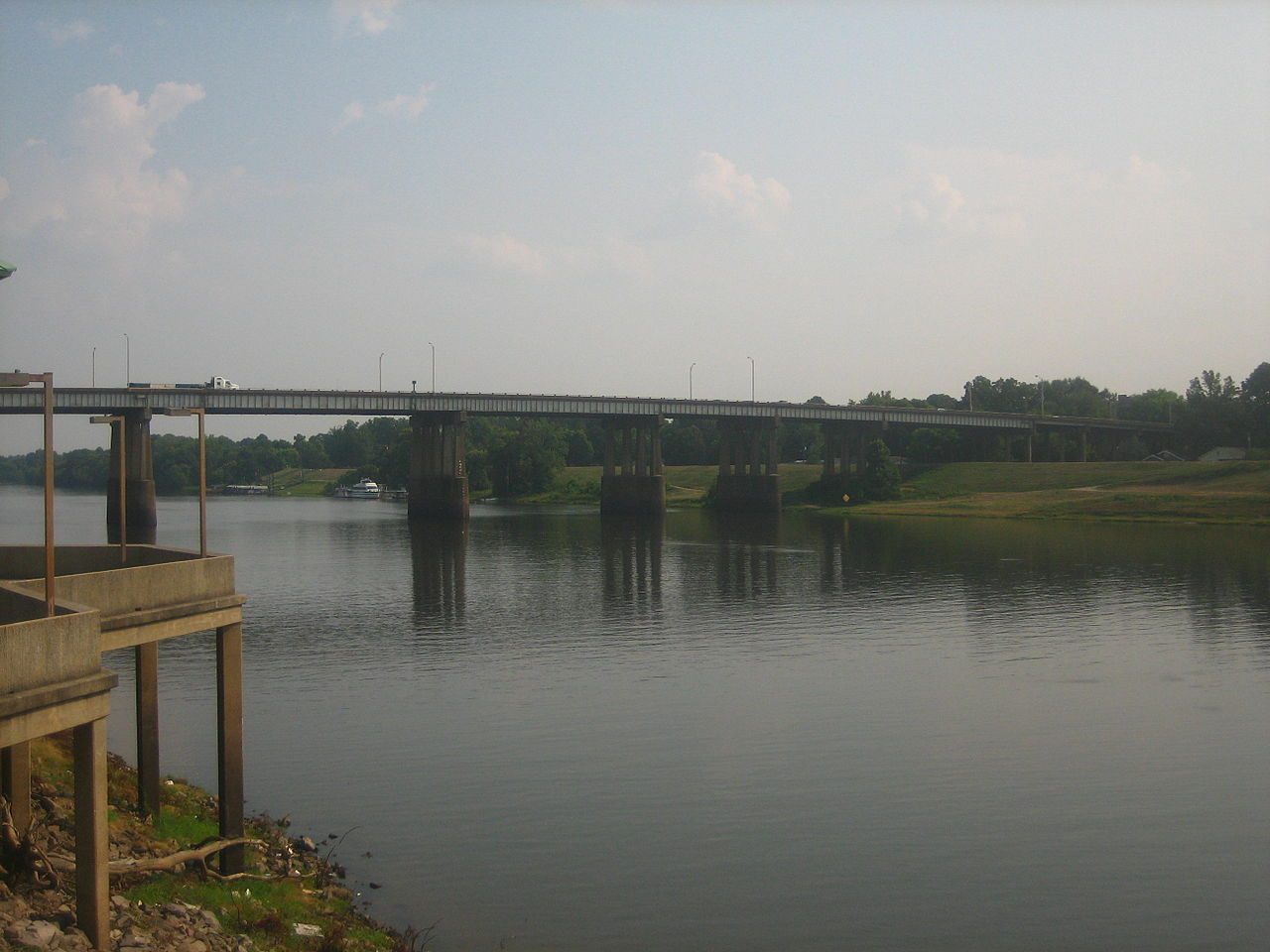
Knight has been instrumental in bringing new technology into his department, from real-time crime center operations to drones deployed as first responders. For the department, the focus is not on adopting technology for its own sake, but on how those tools can improve response and decision-making in the field.
In Ouachita Parish, that approach is already reshaping daily operations.
The Call Comes In
A call hits dispatch. It could be a vehicle burglary, a suspicious person, or a report tied to a license plate reader hit.
In many departments, that call would trigger a standard response. Officers would head to the scene with limited information, relying on radio updates along the way.
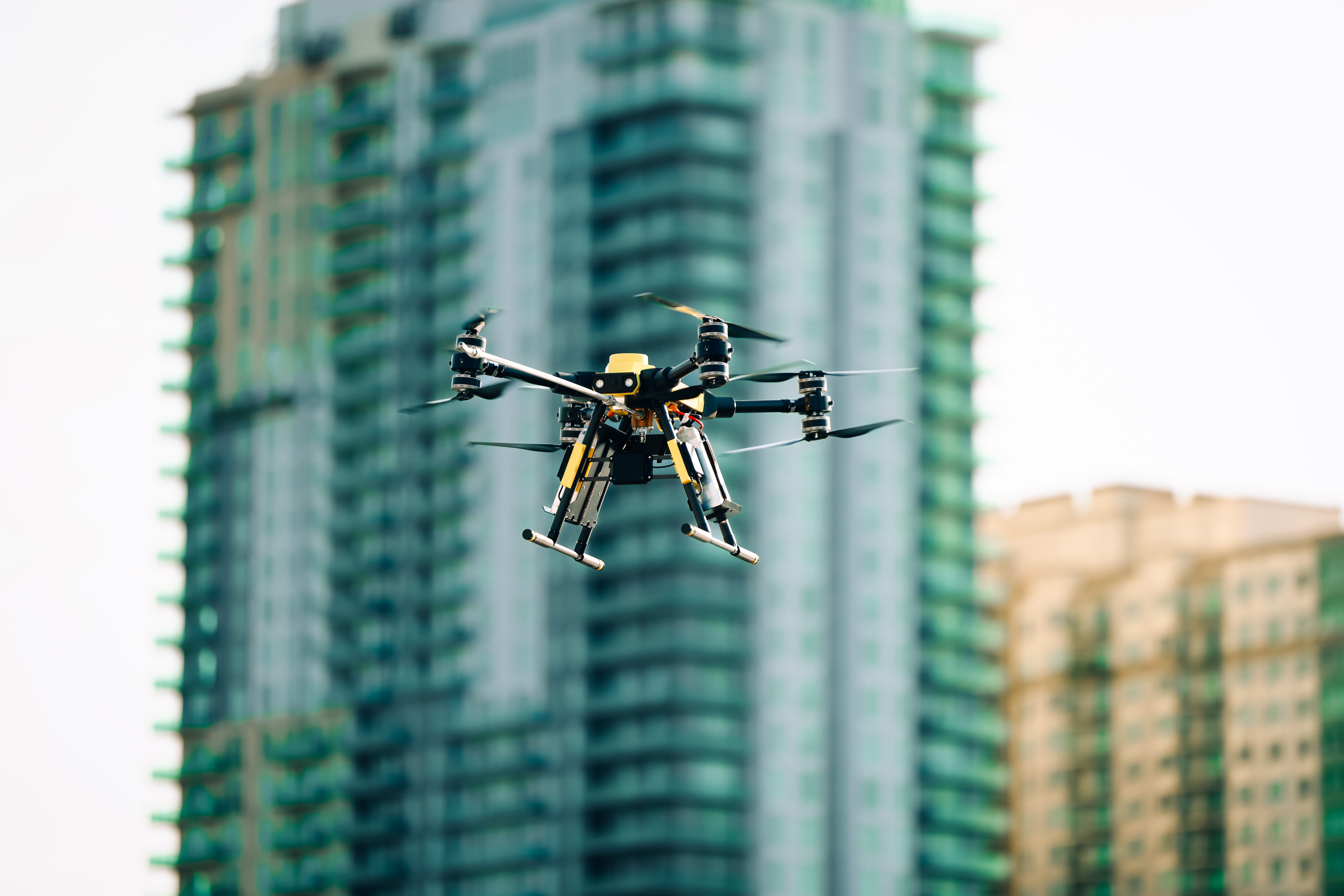
In this department, the response begins differently. Inside the Real-Time Crime Center (RTCC), operators immediately begin building a live picture using Motorola Solutions [NYSE: MSI] CommandCentral Aware, Camera feeds come online. Data is pulled from multiple sources. And in some cases, the parish’s first DFR drone – a BRINC system – launches automatically.
The Drone Arrives First
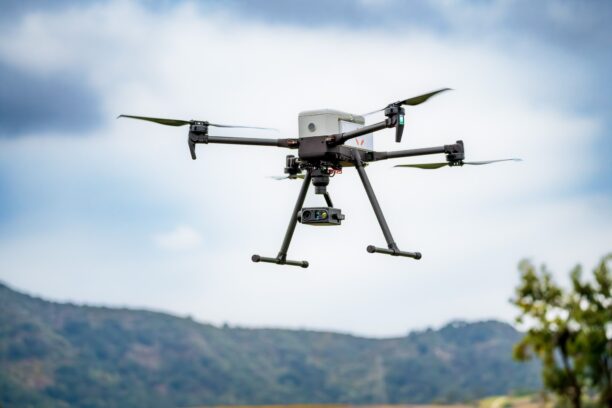
The department operates a Drone as First Responder (DFR) model, with systems that can be set to respond automatically to certain calls or deployed manually to a specific address.

In many cases, the drone arrives before deputies. That early aerial view changes the equation.
From the RTCC, and even inside patrol vehicles, officers can see what is happening in real time. Instead of driving into uncertainty, they approach with context.
Knight, a veteran officer himself, says it’s a game changer for the deputies responding to a situation. “I would have given anything to know what was going on before I got there when I was in that car,” Knight said.
Now, deputies often have that advantage.
From Information to Action
The value of the drone is not just speed. It is what happens next.
As the drone streams video, RTCC personnel begin interpreting what they see. Many of those operators are retired deputies or civilians with law enforcement experience: people trained to recognize subtle details that matter.
“It’s so different seeing everything from overhead,” Knight explained.
That perspective requires a different kind of training. Operators must translate aerial imagery into actionable guidance. They direct deputies on the ground, helping them approach safely and efficiently.
In some cases, drones are tied directly to license plate reader alerts or moving vehicles. The drone can track a suspect in real time, while the RTCC coordinates units on the ground.
The Moment the Drone Changes the Outcome
It’s a safety tool, it’s an officer backup tool: but the impact becomes clearest in real-world cases.
During a series of vehicle burglaries in West Monroe, deputies had partial information about a suspect, his usual operation, and his vehicle. Instead of waiting for another report or posting officers in parking lots along the suspect’s usual route, they used a drone to monitor the area.
In only a few days, the drone located the suspect’s vehicle. At that point, operators were able to observe him committing a burglary and handling stolen items. Officers went to the scene and arrested the suspect, ending a frustrating stream of burglaries.
“We wouldn’t have been able to do that without drones,” Knight said.
This is the shift: drones are not just documenting events. They are enabling intervention.
Integration Makes the Difference
For Knight, the biggest change over the past decade is not just the technology itself, but how seamlessly it fits into operations.
Twelve years ago, he was the department’s first drone pilot. Flying required constant manual control, and crashes were common. Today, systems are easier to operate, more stable, and far more capable. “It’s crazy that you can look at a car half a mile away and zoom in on the license plate,” he said.
Just as important, drones are now fully integrated into the broader response system. RTCC staff can deploy them quickly, focus them on specific areas, and support deputies in real time.
Designed for Safety: For Officers and the Public
At the core of the program is safety, supported by transparency.
“We want to make these deputies’ jobs easier and safer. If they are safer it makes the public safer,” Knight said.
Drone flights are always tied to calls for service, and the department has been open with the community about how and why drones are used. Residents can review flight paths and understand the purpose behind deployments.
So far, that approach has helped build support for a program that is still new.
Ouachita Parish includes both urban centers and rural terrain shaped by bayous, rivers, and lakes. With a population of about 160,000, the department is continuing to evaluate where additional DFR drones and stations will have the greatest impact.
The goal is consistent: reduce response time, improve awareness, and support deputies wherever they are needed.
A New Kind of First Response
In this model, the drone is not a standalone tool. It is part of a coordinated system that begins working the moment a call comes in.
By the time deputies arrive, the situation is no longer unknown. It has already been observed, analyzed, and, often, understood.
And in that shift, the role of the drone becomes clear. Not just faster response. Better decisions.
For Ouachita Parish, being on the front lines of new technology is how they will keep their team safe and ensure their department is well prepared for whatever comes next. “We want to leave it better for the next team,” Knight said.
Read more:
- Beyond the Patrol Car: Drones Join the Public Safety Ecosystem
- One Screen, Total Awareness: How Drones, Cameras, and Data Converge in Police Response
- BRINC Launch Signals Next Phase of U.S. Public Safety Drone Industry

Miriam McNabb is the Editor-in-Chief of DRONELIFE and CEO of JobForDrones, a professional drone services marketplace, and a fascinated observer of the emerging drone industry and the regulatory environment for drones. Miriam has penned over 3,000 articles focused on the commercial drone space and is an international speaker and recognized figure in the industry. Miriam has a degree from the University of Chicago and over 20 years of experience in high tech sales and marketing for new technologies.
For drone industry consulting or writing, Email Miriam.
TWITTER:@spaldingbarker
Subscribe to DroneLife here.
My site’s authority score increased because nulled Yoast Premium helped me fix thousands of broken internal links.