
Understanding the Impact of High Temperatures on LiPo Batteries and Best Practices for Safe Usage
DRONELIFE presents this guest post by Douglas Spotted Eagle, Director/Client Experience and Pilot at theLIDARPros and Director of Education Programming at drone training and consulting firm Sundance Media Group. As the temperature rises, this post is a timely reminder that LiPo Batteries require special handling in hot temperatures: and provides a detailed explanation of how best to minimize risk. DRONELIFE neither accepts nor makes payment for guest posts.
by Douglas Spotted Eagle, Director/Client Experience and Pilot at theLIDARPros and Director of Education Programming at Sundance Media Group.
Hot Cars & LiPo Batteries: A Swell Mix or an Epic Fail?
LiPo batteries, also known as lithium polymer batteries, are a popular and common choice for powering Unmanned Aircraft Systems (UAS) because they are lightweight and have a high energy density. These batteries can discharge at high rates, which is necessary for UAS applications, making them a crucial component for both hobbyists and professional operators.
However, it’s important to understand the importance of safety when dealing with LiPo batteries, especially in hot weather or during transportation in vehicles. LiPo batteries are sensitive to changes in temperature, which can pose potential risks that must be managed properly to ensure both safety and performance.
In this article, we will discuss the impact of hot weather on LiPo batteries and provide recommendations for their safe usage. It is crucial to grasp how temperature can affect the overall performance and lifespan of these power sources. By prioritizing safety measures and using correct handling methods, UAS operators can reduce the risks associated with using LiPo batteries in hot weather conditions.

Battery left in the back of a worktruck, cased but not installed in UAS
Understanding the Impact of Hot Weather on LiPo Batteries
LiPo batteries are highly sensitive to temperature, and exposure to hot weather can have a significant impact on their performance and overall lifespan. Here’s a closer look at how high temperatures can affect LiPo batteries:
- Decreased Capacity: High temperatures can cause a reduction in the total energy capacity of LiPo batteries. This means that the battery will not be able to hold as much charge as it would under normal temperature conditions. As a result, the flight time of unmanned aircraft systems (UAS) powered by LiPo batteries may be significantly reduced.
- Increased Internal Resistance: Heat can increase the internal resistance of LiPo batteries, which leads to a decrease in their power output. The increased resistance results in voltage drops and reduced efficiency during discharge. This can negatively impact the performance of UAS, causing them to lose power and agility during flight.
- Accelerated Aging: Exposure to high temperatures accelerates the aging process of LiPo batteries. The chemical reactions inside the battery occur at a faster rate, leading to increased degradation of the battery’s components. Over time, this can result in a shorter overall lifespan for the battery, reducing its effectiveness and requiring more frequent replacements.
- Risk of Thermal Runaway: When LiPo batteries are exposed to excessive heat, there is an increased risk of thermal runaway. Thermal runaway refers to a situation where the battery experiences an uncontrolled increase in temperature and pressure, potentially leading to a fire or explosion. This risk is particularly high when batteries are overcharged or subjected to prolonged exposure to hot environments.
To ensure the longevity and optimal performance of LiPo batteries, it is crucial to understand and mitigate the impact of hot weather conditions. In the next section, we will delve into best practices for handling and storing LiPo batteries safely.
The Importance of Properly Handling and Storing LiPo Batteries for Safety
LiPo batteries are known for being small, lightweight, and powerful, which is why they are widely used in various devices such as drones and remote-controlled cars. However, it’s important to remember that these batteries can be potentially dangerous if mishandled or improperly stored.
To ensure the safe use of LiPo batteries, it is crucial to:
- Handle with Care
When dealing with LiPo batteries, it’s essential to handle them with care to minimize the risk of damage or accidents. Here’s what to do:
- Avoid Physical Damage: LiPo batteries can easily get damaged from impacts or punctures, so always store and transport them in protective cases or bags.
- Connect Correctly: When connecting the batteries for charging or use, make sure to follow the manufacturer’s instructions on polarity (positive and negative) to prevent short circuits.
- Charge Safely
Proper charging is key to maintaining the safety and longevity of LiPo batteries. Here are some tips for safe charging:
- Use a Balancing Charger: Balancing chargers help ensure that each cell within the battery pack is charged evenly, preventing overcharging of individual cells and reducing the risk of fire or swelling.
- Monitor the Charging Process: Keep an eye on the charging process, especially during hot weather, to prevent overheating. Consider using chargers with built-in safety features like temperature control.
- Store Correctly
Proper storage is essential when not using LiPo batteries for an extended period. Follow these guidelines for storing LiPo batteries:
- Maintain the Right Voltage: The recommended storage voltage for LiPo batteries is around 3.8 volts per cell. Storing them at this voltage helps prevent overdischarge or overcharging during long periods of inactivity.
- Choose a Safe Location: Store LiPo batteries in a cool, dry place away from flammable materials. Avoid keeping them near sources of heat or direct sunlight. Some professionals use bags specifically designed for storing/charging LiPo batteries.
By following these best practices for handling, charging, and storage, we can enhance the safety and performance of LiPo batteries while extending their lifespan.
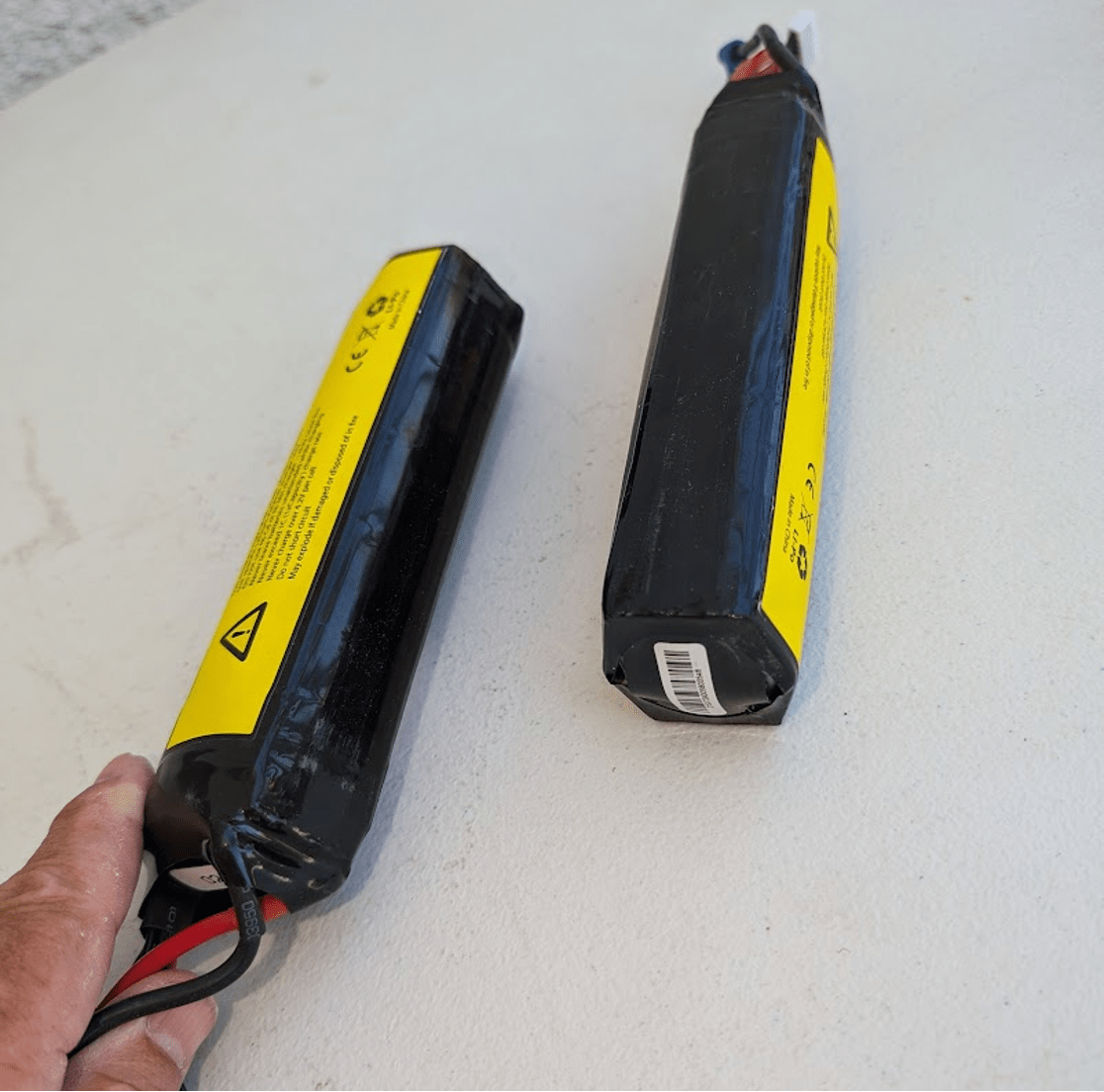
These batteries were left in the trunk of a patrol vehicle. Six batteries were destroyed within a few weeks of acquiring the air asset, simply due to trunk temps exceeding 140 degrees.
Best Practices for Using LiPo Batteries in UAS During Hot Weather Conditions
When using LiPo batteries in Unmanned Aircraft Systems (UAS) during hot weather conditions, it’s important to follow specific safety guidelines to reduce risks and ensure the safe operation of LiPo-powered tools. Here are some best practices to consider:
- Monitor battery temperature. High temperatures can harm LiPo batteries, so it’s crucial to monitor their temperature during flight. Many modern drones have built-in sensors that provide real-time temperature data. By keeping an eye on battery temperature, we can take appropriate action if it starts to rise too high.
- Implement thermal protection mechanisms. To further protect LiPo batteries during hot weather conditions, think about using thermal protection mechanisms. Some drones have features like automatic cooling systems or thermal insulation for the battery compartment. These measures can help control the temperature and prevent overheating.
- Avoid direct sunlight exposure. Direct sunlight can quickly raise the temperature of LiPo batteries. Whenever possible, keep UAS/drone and batteries away from direct sunlight, especially when not in use. This simple precaution can help prevent excessive heat buildup and extend the lifespan of LiPo batteries.
- Allow cooling periods between flights. When planning multiple flights in hot weather, make sure to allow enough time for cooling between each flight. Letting the LiPo batteries cool down before charging or using them again will help maintain their performance and prevent potential damage from overheating. NEVER charge a hot battery. It may not necessarily puff or self-ignite; the internal damage is irrecoverable and causes premature loss of energy, shortening the useful life of the battery.
- Store batteries in a cool environment. When not in use, store LiPo batteries in a cool dry location to minimize heat exposure. Keep batteries from direct sunlight and avoid storing them in a hot car or any other location that can become excessively warm.
The LiDARPROs team use cooler bags designed for hot weather. Do not use ice nor “blue blocks” that could make direct contact with any battery surface. Our bags have thick terry towels separating the batteries from the cooling plate. Place batteries into a cooling bag until it’s time to use them. Do not put a hot battery/just-used battery into a cooling bag. Let the battery cool down prior to storing in the bag. Set the cooler bag to its “warmest” setting. Cooler bags are not freezers, and generally do not dip below 70 degrees (in our experiences). Most of these products offer “15 to 20 degrees lower than ambient temperature.” We do keep a small, relatively accurate thermometer in the bag during the hot months. Some of these products also offer warming capability, for those in very cold winter environments.
TIP: Our team lays batteries out with their “belly down” to indicate the battery is charged and ready for operations. A battery placed on its back indicates a “belly up” battery, which has been expended. We also divide them in the storage containers in the same manner.
By following these best practices, pilots can significantly reduce the risks of using LiPo batteries in hot weather conditions:
- Monitor battery temperature
- Implement thermal protection mechanisms
- Avoid direct sunlight exposure
- Allow cooling periods between flights
- Store batteries in a cool environment
These steps are essential for ensuring the safe and optimal performance of the aircraft. Remember, safety should always be a top priority when using LiPo batteries in UAS. Taking these precautions will not only protect expensive equipment but also contribute to the longevity of batteries and overall flight experience.
Do Not Store Batteries in the UAS
Storing batteries installed in the UAS is very tempting. However, should a battery begin to puff, it may well “lock” itself into the battery housing of the aircraft, potentially damaging internal components of the UAS. We’ve seen at least one UAS platform destroyed through storing a battery in the battery compartment of the UAS>
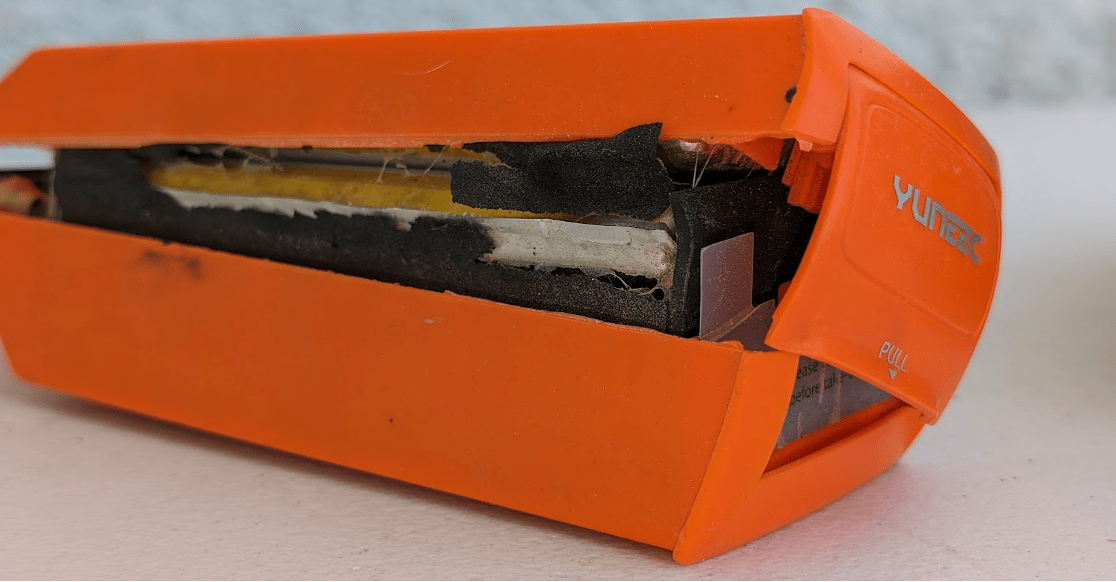
This battery destroyed the UAS in which it was stored. Storing batteries inside the aircraft is convenient, but not recommended. The battery cracked/broke a system board and the battery rail.
Summary
It is important to remember the risks of leaving LiPo batteries in hot cars and the importance of responsible battery management. By following proper safety guidelines, we can prevent accidents and ensure the longevity of our batteries, preventing errors, disappointments, and failed flights.
We also encourage readers to share experiences with using LiPo batteries in drones during hot weather conditions. Together, we can learn from each other and create a safer environment for everyone involved.
 Douglas Spotted Eagle is the Founder and Director of Educational Programming at Sundance Media Group. SMG serves as a consultant within the sUAS industry, offering training and speaking engagements on sUAS topics: UAV cinematography, commercial and infrastructural sUAS applications, sUAS risk management, night UAV flight, aerial security systems, and 107 training. He is also the Director/Client Experience and Pilot at theLIDARPros, providing deep experience, products and services in LiDAR and photogrammetry.

Miriam McNabb is the Editor-in-Chief of DRONELIFE and CEO of JobForDrones, a professional drone services marketplace, and a fascinated observer of the emerging drone industry and the regulatory environment for drones. Miriam has penned over 3,000 articles focused on the commercial drone space and is an international speaker and recognized figure in the industry. Miriam has a degree from the University of Chicago and over 20 years of experience in high tech sales and marketing for new technologies.
For drone industry consulting or writing, Email Miriam.
TWITTER:@spaldingbarker
Subscribe to DroneLife here.




Leave a Reply