
The following is a guest post by Chris Rittler, CEO of Cape, cloud platform for drone telepresence and data management.
College graduation is just around the corner, which means thousands of young, tech-savvy graduates will soon enter the workforce. As new graduates search for careers, several will be eyeing opportunities that allow them to utilize their technical skills and offer high-growth opportunities.
With the “great crew change” arguably one of the biggest hurdles traditionally facing oil and gas operators, attracting new and young talent has been a major challenge for years. However today, drones are offering a surprising solution to help bridge the gap between seasoned vets edging towards retirement, and incoming green talent.
Solving the great crew change
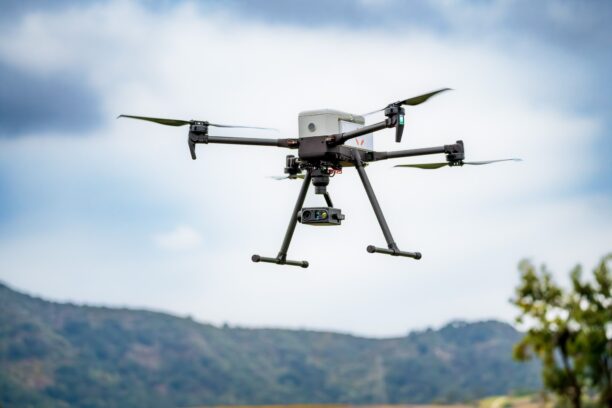
For trusted oil and gas experts who have worked in the industry for years, adequately training an incoming younger, tech-raised employee can be daunting. However, new technology like drones equipped with aerial telepresence help benefit both new and seasoned workforce alike. With access to instant real-time visibility in the field from anywhere in the world, aerial telepresence allows experienced workers to better train and empower the incoming younger generation, while also promoting the use of some the most innovative tech to improve efficiency and safety.
When new, green talent enters the oil and gas industry, training is the first step to learning and understanding the day-to-day tasks of the job. But unlike traditional methods of training, today, experts are able to use drones to be more efficient during employee on-boarding. Using a drone, experts and new talent are able to simultaneously and in real-time get eyes on nearly every inch of the field, fast. What might have taken days to understand, large and often dangerous areas of terrain, including pipelines, well sites, and tanks, now only takes a few hours with the help of a drone. And with access to stored footage from cloud storage repositories, incoming younger workers are enabled to go back and gather insights from drone footage immediately after training sessions to help improve retention and understanding in the field.

Smart technology, smart operations
Today, the smartest oil and gas operators are utilizing drones to help reduce costs, drive operational efficiencies, and improve safety. For incoming workers, that can mean several opportunities to quickly learn and get ahead in the industry.
For example, drones enable experts to show incoming talent the ins-and-outs of crucial tasks like asset inspection. Instead of enduring hours of drives between well site pads, or walking pipelines, drones allow experienced employees and newcomers to navigate complex assets, while still pinpointing critical insights within minutes and from a safe location. With drones saving hours and even days of time on highly-manual and time-consuming jobs, experts and younger hires are freed up to focus on higher-impact areas of fieldwork, including how to maintain asset integrity, mitigate problems, or properly respond to a situation when something goes wrong — all helping to increase incoming workers’ efficiency, and safety while in the field.
Reducing costs
Additionally, are drones helping save organizations significant costs. Instead of deploying trucks, or helicopters to survey and inspect wide ranges of terrain, a drone can be launched within minutes for a fraction of the cost. And with added aerial visibility and intelligence, in the event of an alarm sound or emergency, a drone can quickly get eyes on a situation, and help operators and those who are less experienced better determine the right resources to manage a situation, instead of deploying tools that ultimately wouldn’t be needed.
Increasing safety for all
For less experienced workers, understanding the safety risks of the field is pertinent, and knowing how to respond to an emergency can help save resources and even lives. Luckily, smart operators are using drones for emergency response and helping to enhance situational awareness. With the ability to give incoming talent a first-hand and up-close look at an emergency, new workers are able to see exactly what’s needed to mitigate and fix an issue. For example, before operators make a decision to respond to an emergency like a fire, spill, or gas leak, operators can quickly deploy a drone to get aerial pictures of a site and make accurate decisions. And with real-time aerial visibility giving them a holistic view of an emergency, operators, and first-responders are able to turn to drones for enhanced situational awareness and pinpoint areas of danger instead of entering one blindly.
All team members can deploy a drone
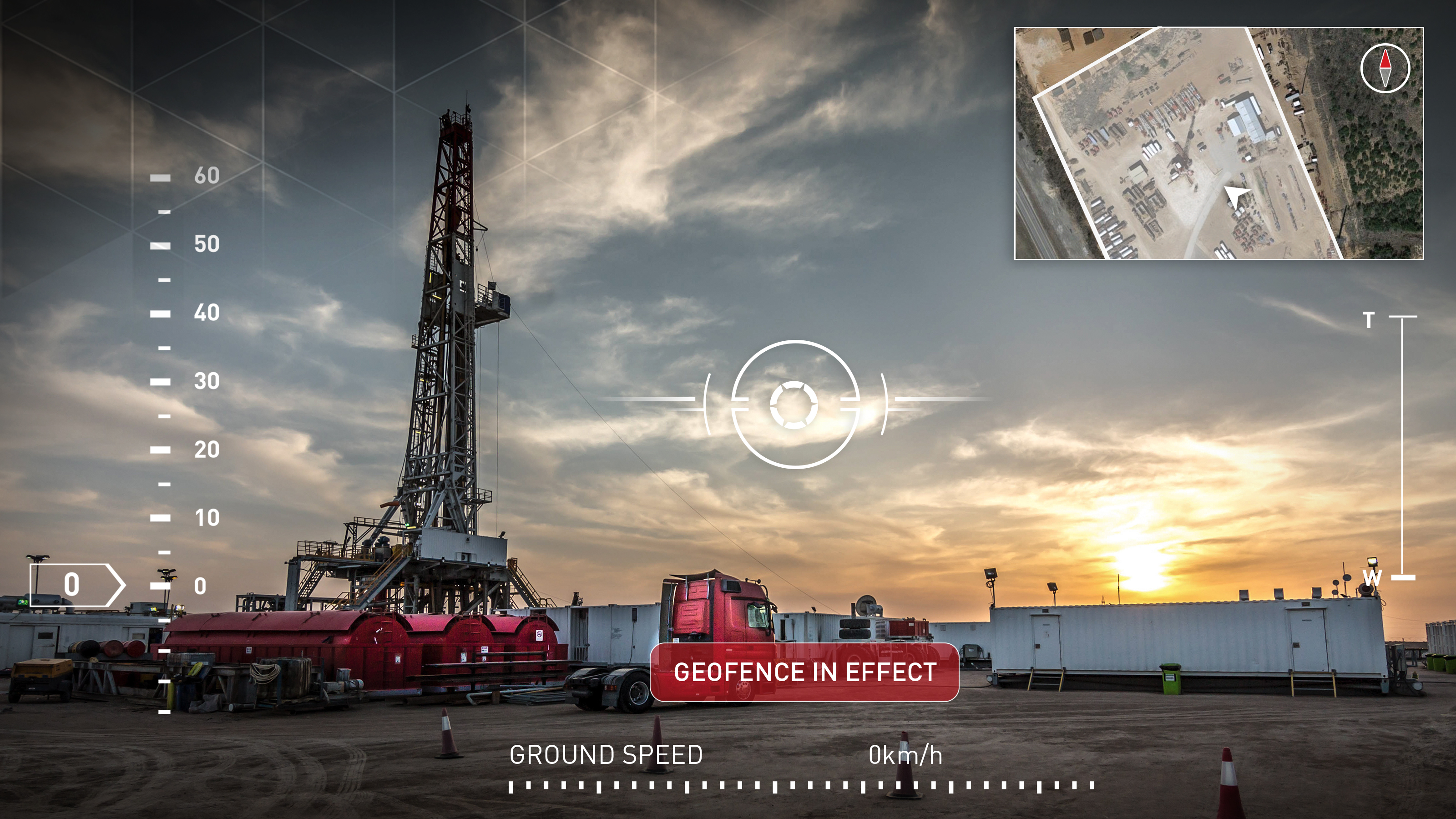
For oil and gas operators who might be considering starting a program, today’s technology makes it easier than ever to implement drones into daily operations. With functionality and features like geo-fencing and obstacle avoidance technology, nearly anyone — seasoned vet or incoming hire — can easily and safely deploy a drone to get a quick, detailed, and zoomed-in view of assets that may be hard to view, without worrying about crashing or destroying an asset. Additionally, by integrating enhanced technology like FLIR infrared and thermal cameras, seasoned operators can help less experienced workers better identify irregularities in the field, including hot spots that may cause dangerous situations like fires.
Today, drones are one of the keys to attracting and retaining top incoming talent. With the ability to enable trusted experts real-time visibility in the field from anywhere in the world to better train and empower the younger workforce, drones are providing new ways to help improve operational efficiencies, reduce costs, and increase safety. Offering opportunities for incoming talent to use innovative, new technology and help lead a new era of digitization and insights, while also getting a full, holistic understanding of oil and gas operations from seasoned vets, drone technology is not only a smart way to bring in new talent, but also helps bridge the gap between operators with legacy knowledge and driving green and ready-to-learn talent.
 Chris Rittler is the CEO of Cape, the leading cloud platform for drone telepresence and data management. A seasoned Senior Executive with over 30 years of success in wireless, telecom, digital media, and content distribution, Rittler leverages his extensive product development experience to guide Cape’s growth strategy as one of the global leaders in commercial drone software. Prior to joining Cape, Rittler served in a number of leadership roles, including: CEO of ABB Wireless Communications Systems, where he was responsible for leading the global ABB Wireless business unit; Senior Vice President of Sales, Marketing and Business Development for Deluxe Digital Distribution; and executive positions at Tropos Networks, Frontier Communications, Cambia Networks, and Motorola. He holds an MBA from Kellogg Graduate School of Management, Northwestern University, an MSEE from the University of Wisconsin-Madison and a BSEE from Marquette University.

Miriam McNabb is the Editor-in-Chief of DRONELIFE and CEO of JobForDrones, a professional drone services marketplace, and a fascinated observer of the emerging drone industry and the regulatory environment for drones. Miriam has penned over 3,000 articles focused on the commercial drone space and is an international speaker and recognized figure in the industry. Miriam has a degree from the University of Chicago and over 20 years of experience in high tech sales and marketing for new technologies.
For drone industry consulting or writing, Email Miriam.
TWITTER:@spaldingbarker
Subscribe to DroneLife here.
[…] Source: dronelife.com […]