
By Dronelife Features Editor Jim Magill
Facing threats from the federal government to build a border wall or other physical barrier through some of the most environmentally sensitive areas of South Texas, state Democratic lawmakers instead are calling for the deployment of more drones and other technological solutions to boost border security.
At the urging of the Trump administration in 2025, Congress appropriated almost $47 billion for the construction of a wall and other barriers along the U.S./Mexico border. Texas’s portion of the border is more than 1,200 miles from the Gulf of Mexico to the New Mexico state line.
Senator Judith Zaffirini, dean of the Texas Senate, and two of her colleagues recently penned an op-ed, calling for the deployment of a “smart-wall” strategy, rather than relying on the construction of an old-fashioned physical barrier at the border.
“A smart wall uses technology and strategic infrastructure to strengthen border security without relying exclusively on a continuous physical barrier,” Zaffirini said in an email statement. “It can incorporate surveillance cameras, sensors, radar, drones and other detection technology to help law enforcement identify illegal crossings, drug trafficking and other criminal activity quickly and deploy personnel where they are needed most.”
According to data from U.S. Customs and Border Protection (CBP) as of Aug. 19, in the president’s second term, the Trump administration has built only 64 miles of new primary walls and replaced about 39 miles of existing wall along the border. Last month, following an outcry from some Texas state and local officials and environmentalists, CBP ordered a pause to construction of border barriers in Big Bend National Park. That pause is set to expire September 30.
The federal border security spending will be on top of $2.5 billion the state of Texas has already spent since 2021 to build about 80 miles of border wall.
Texas Senators Propose Drone-Based Smart Wall as Comprehensive Alternative
Zaffirini and fellow state senators Juan “Chuy” Hinojosa and César J. Blanco think they have a better solution for providing border security in the future.
“I have advocated for a comprehensive approach that combines these technologies with adequately staffed and equipped law enforcement and strategically placed physical barriers where appropriate. Border communities and terrain vary greatly, and our security strategies should reflect those differences,” Zaffirini said.
While the federal approach to border security does rely in part on the use of drones and other detection technologies, the Texas lawmakers contend that the administration’s plans depend too heavily on the construction of physical barriers that are expensive and ineffective at stopping today’s most significant security threats.
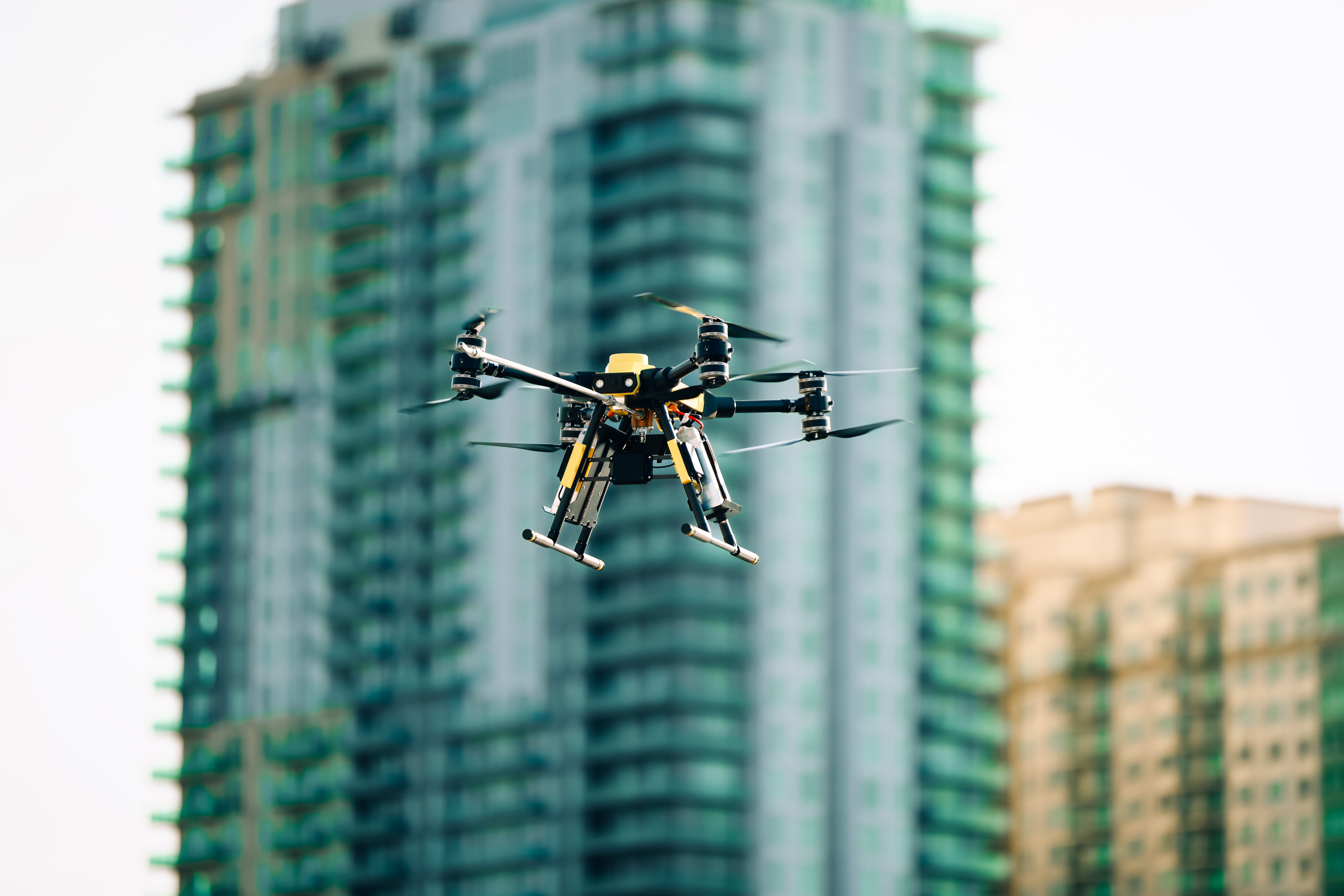
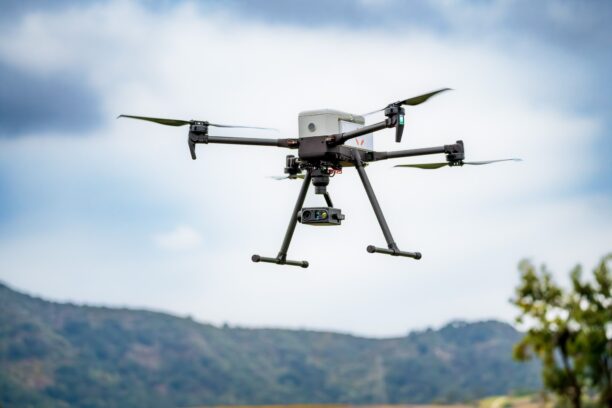
“A smart wall would utilize drones with surveillance cameras, ground sensors, radar and other detection technologies to provide law enforcement with a more complete picture of activity along the border,” Zaffirini said.
“The key is integration. Instead of relying primarily on any single technology or a continuous physical barrier, we should use the appropriate combination of technology, personnel and strategically placed physical infrastructure based on the needs of each area.”
Geographic and population conditions vary significantly from one community to another along the extensive Texas-Mexico border, which argues against a one-size-fits-all approach to security, Zaffirini said. The smart-wall strategy “would allow law enforcement to detect activity more quickly, deploy personnel more effectively and direct taxpayer resources where they can have the greatest impact.”
Gaps in Current Border Strategy
Zaffirini said the current federal/state border security strategy is plagued with numerous gaps, including limited resources, too few trained personnel and insufficient coordination among the local, state and federal agencies, each with their own separate responsibilities for securing the border.
“Criminal organizations increasingly are using drones for surveillance, smuggling and other illicit activities, and our capabilities must evolve as quickly as the threats do,” she said. “As technology and security threats continue to evolve, I would consider additional legislation to ensure state law enforcement has the tools necessary to protect Texans, especially along our border.”
The solution, she said is not simply to deploy more drones, but to ensure that federal, state and local law enforcement officials have the right technology, training and resources to address ever-changing security needs.
Current federal law places severe limits on state and local law enforcement agencies’ use of counter-UAS technology. For example, only law enforcement officials who have undergone the FBI training in the use of counter-drone equipment can be deputized by the federal government to bring down drones flown by cartel members.
Zaffirini advocated for an expansion of the Justice Department’s recently introduced training program.
“Raising awareness of these challenges is important to encouraging that discussion at the federal level,” she said. “I support greater opportunities for qualified state and local personnel to conduct counter-drone operations, subject to appropriate federal authorization, training, certification, safeguards and interagency coordination.”
State Officials Have Role to Play in Border Security
She added that on the state level, lawmakers need to work with federal officials as well as local law enforcement agencies to craft legislation that develops a comprehensive Texas-based solution to border security.
“As state legislators, our focus is on what Texas can do to strengthen border security, including investing in technology, training and coordination. We hope that greater awareness of the challenges facing state and local law enforcement will help encourage solutions at every appropriate level of government,” she said.
Zaffirini said she plans to devote a great deal of her attention to developing the smart-wall concept in the upcoming session of the state legislature, which gets under way in January.
“I look forward to working with law enforcement and other experts to identify where state action could be most effective,” she said.
“As a member of the Senate Finance Committee, I also will have an opportunity to consider appropriate investments in drone detection, training and other technologies that could strengthen border security. Whether through legislation, the appropriations process or a combination of both, my priority will be advancing responsible, cost-effective solutions that address demonstrated security needs while protecting Texans’ privacy and property rights.”
Read More
-
When Drones Generate 6,000 Images, Who Looks at Them? AI’s Real Role in Commercial Drone Operations
-
Powerus Signs $22.3M Counter-UAS Deal With Private Middle East Oil Firm
-
TSA Seeks Drone Industry Input on Security Requirements for Part 108 BVLOS Operations

Jim Magill is a Houston-based writer with almost a quarter-century of experience covering technical and economic developments in the oil and gas industry. After retiring in December 2019 as a senior editor with S&P Global Platts, Jim began writing about emerging technologies, such as artificial intelligence, robots and drones, and the ways in which they’re contributing to our society. In addition to DroneLife, Jim is a contributor to Forbes.com and his work has appeared in the Houston Chronicle, U.S. News & World Report, and Unmanned Systems, a publication of the Association for Unmanned Vehicle Systems International
The idea of a “smart wall” is interesting because it shifts the conversation from building more physical barriers toward combining drones, sensors, radar, and human response. The bigger challenge may be making these systems work reliably across such a large and varied border while addressing training, coordination, privacy, and responsible use. It’s a technology solution worth watching closely as the discussion develops