
USDA has conducted more than 1,000 drone surveillance flights in Texas, while the Department of Homeland Security brings border surveillance capabilities and personnel into the federal response.
Drones and federal border surveillance resources are taking on a new mission in Texas: helping combat New World screwworm. New World screwworm is a parasitic fly whose larvae feed on the living tissue of warm-blooded animals. Female flies lay eggs in wounds or body openings, and the resulting larvae can cause rapidly worsening wounds, extensive tissue damage and, if untreated, death. While the parasite can infest wildlife, pets and people, most infestations occur in animals, and the CDC says it can be particularly devastating to livestock.
The U.S. Department of Agriculture (USDA) says it has conducted more than 1,000 drone surveillance flights in Texas since June 3, 2026. Those flights have observed more than 20,000 animals as part of an expanded wildlife surveillance program conducted with the Texas Parks and Wildlife Department to combat New World screwworm.
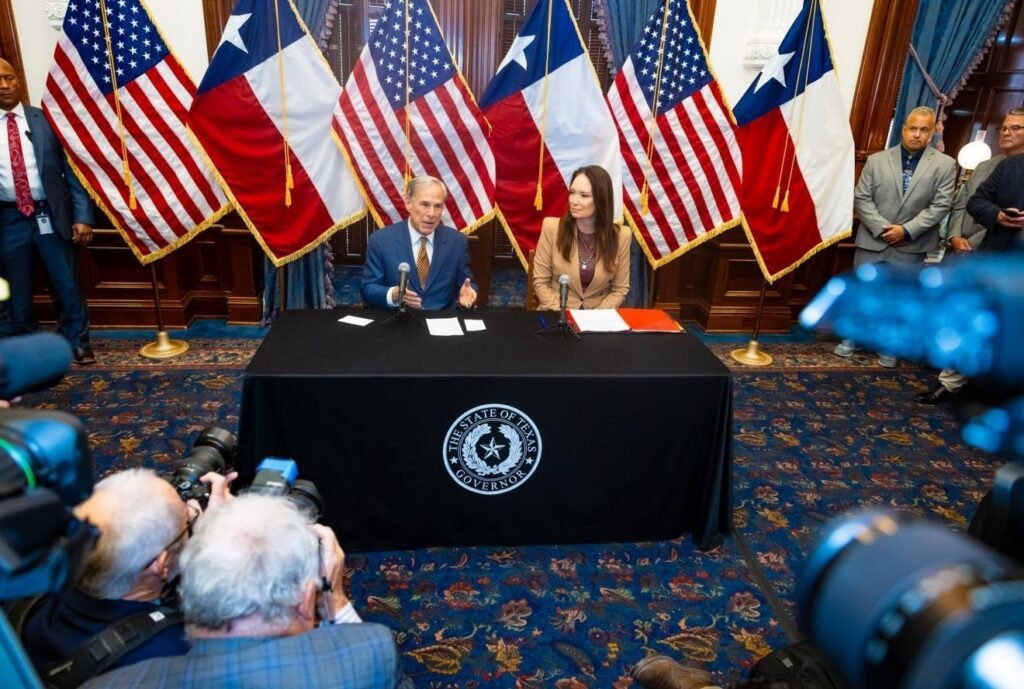
At the same time, the Department of Homeland Security (DHS) is supporting surveillance, intelligence sharing and emergency planning. USDA says DHS is also training Customs and Border Protection (CBP) and Immigration and Customs Enforcement personnel to identify and respond to screwworm cases.
The combination puts technologies and personnel associated with border surveillance to work against a threat to livestock and wildlife.
Thermal Drones Search Texas Ranches
USDA’s Animal and Plant Health Inspection Service (APHIS) has documented how its own drone teams are being used in the response.
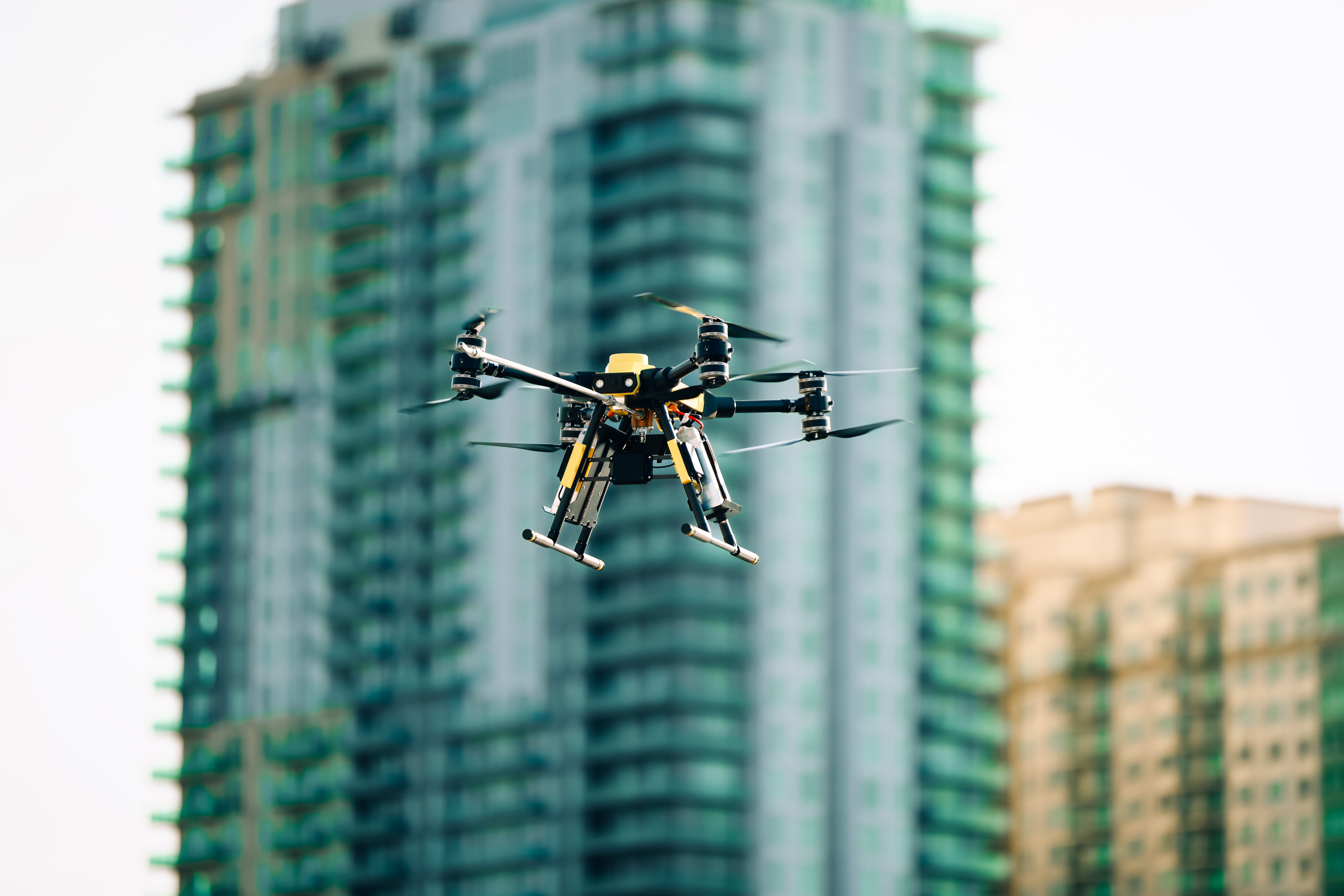
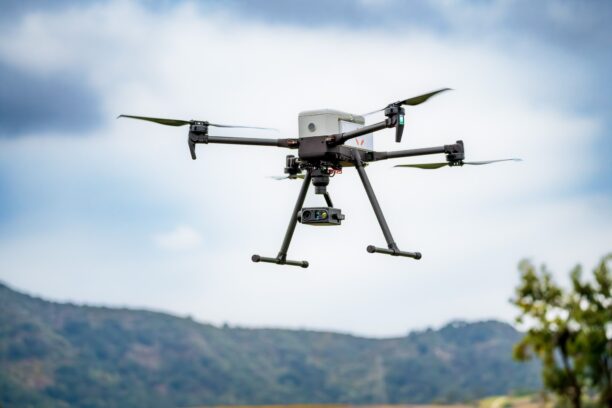
During an operation near Junction, Texas, on June 18, APHIS teams used drones equipped with high-resolution cameras, thermal sensors and mapping technology. With the landowner’s permission, teams surveyed livestock and wildlife shortly after sunrise.
Cooler morning temperatures make it easier for forward-looking infrared, or FLIR, sensors to distinguish warm-blooded animals from the cooler ground. Operators can then use high-resolution color imagery to examine an animal more closely.
The drones help teams locate animals with visible wounds, abnormal movement or other signs that could require veterinary inspection. They also map animal movements, water sources, fence lines, access routes and areas that may need more surveillance.
The aircraft do not diagnose screwworm. If operators identify a potential problem, the landowner is notified. Ground teams and veterinarians respond if screwworm is confirmed.
Expanding Surveillance Along the Border
The drone flights are one part of a larger surveillance network.
Since July 2025, USDA has monitored more than 100 traps dedicated to New World screwworm and more than 8,000 insect traps across Texas, Arizona, New Mexico and California. In Texas, more than 130 trail cameras have observed nearly 17,000 animals.
USDA is also working with Mexico on trapping and animal movement controls. The agency says it is conducting monthly audits of Mexico’s response and supporting increased trapping in high-risk areas, including border states.
The federal response extends across agencies. DHS is supporting surveillance and intelligence sharing, while the Department of the Interior supports wildlife surveillance and environmental compliance on federal lands.
Drones as a Force Multiplier
Drone surveillance does not replace the primary tool used to eradicate New World screwworm. USDA continues to rely on the Sterile Insect Technique, which releases sterile male flies to disrupt reproduction. The agency says it is dispersing 100 million sterile flies per week in Mexico and Texas.
Instead, APHIS describes drones as a “force multiplier.” They allow teams to cover large ranches, rugged terrain, brush country and wildlife habitat faster and more safely than ground teams alone.
USDA is also exploring ways to use artificial intelligence to analyze drone imagery. Research supported by the agency is examining whether AI can help detect wounds, identify animals and prioritize inspections.
For now, the Texas operations demonstrate a practical use of drones within a broader federal surveillance effort. Aircraft, thermal sensors and mapping tools are helping agencies search large areas and direct ground resources toward animals that may require closer inspection.
Read more:
- Military or Farm Tool? FCC’s Proposed Drone Categories Blur the Line
- AI, Drones, and the Future of Farming: A Game Changer for Plant Disease Detection and Food Security
- World-First Drone Mouse Eradication Passes Six-Month Check on Browse Island

Miriam McNabb is the Editor-in-Chief of DRONELIFE and CEO of JobForDrones, a professional drone services marketplace, and a fascinated observer of the emerging drone industry and the regulatory environment for drones. Miriam has penned over 3,000 articles focused on the commercial drone space and is an international speaker and recognized figure in the industry. Miriam has a degree from the University of Chicago and over 20 years of experience in high tech sales and marketing for new technologies.
For drone industry consulting or writing, Email Miriam.
TWITTER:@spaldingbarker
Subscribe to DroneLife here.
Leave a Reply