SYOS Introduces SU10 Underwater Drone for Multi-Domain Operations
New uncrewed underwater vehicle expands company portfolio from air, land, and sea to subsurface missions
UK and New Zealand-based autonomous systems company SYOS has introduced the SU10 uncrewed underwater vehicle (UUV), expanding its multi-domain autonomous systems portfolio into subsurface operations.
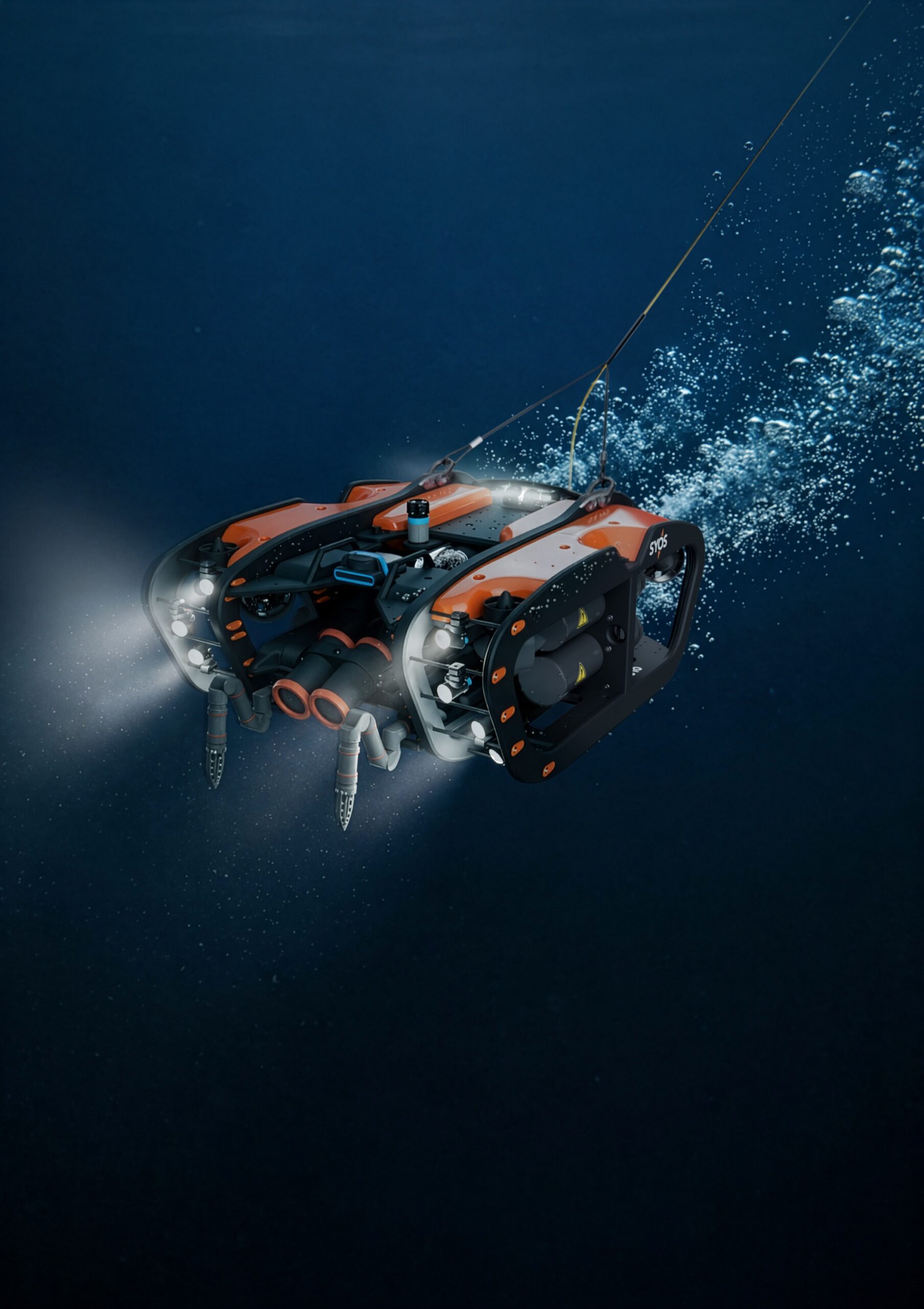
The company announced the new platform at the Combined Naval Event in the United Kingdom. The SU10 is designed for missions including mine countermeasures (MCM), subsea infrastructure protection, maritime security, and persistent surveillance.
The launch reflects growing interest in autonomous maritime systems for both defense and commercial applications. Governments and operators are increasingly investing in uncrewed systems that can operate across air, sea, land, and underwater environments as part of connected mission networks.
SYOS says the SU10 can work independently or alongside the company’s other uncrewed platforms.
SYOS CEO and founder Sam Vye said the new platform extends the company’s operational reach below the surface.
“The SU10 extends our portfolio undersea and strengthens SYOS as a provider of affordable interoperable uncrewed capability across land, sea, air and now subsurface.”
Vye also emphasized the company’s focus on integrated autonomy.
“These are products that stand-alone as class-leaders, or operate as part of a connected, multi-domain uncrewed system – delivering operational effect from air to seabed, through our SYOS single autonomy stack, AAIMS.”
Focus on Multi-Domain Operations
The SU10 operates using SYOS’s AAIMS software platform, short for Autonomy and Augmented Intelligence Mission System. The software is designed to manage multiple uncrewed vehicles across different operational domains in real time.
According to the company, operators can plan and adjust missions while vehicles remain active in the field. The system also prioritizes live mission data and filters information to reduce operator workload.
The company says the SU10 becomes part of a larger operational network when paired with uncrewed surface vessels and aerial systems.
“The SU10 enables rapid, scalable operations across both defensive and offensive mission sets. When paired with uncrewed surface vessels and uncrewed aerial systems it becomes part of a offshore node that can deploy, coordinate and adapt, while keeping people out of harm’s way”.
The platform supports remote operation through satellite communications links. Operators can control the system from launch sites or from remote locations worldwide.
Designed for Surveillance and Infrastructure Protection
The SU10 has a stated operating depth of 500 meters and supports a modular 10-kilogram payload. The vehicle offers four hours of battery endurance or indefinite operation with surface power.
SYOS says the system supports applications including:
- Mine countermeasures
- Seabed assurance
- Subsea infrastructure protection
- Harbor security
- Persistent surveillance
- Anti-submarine warfare support
- Coordinated uncrewed operations
The company noted that earlier variants of the vehicle have already been used in offshore oil and gas operations, including pipeline survey and inspection work in New Zealand.
SYOS also plans to deploy the SU10 in Antarctic research missions beginning in late 2026. The missions will focus on long-range under-ice mapping through an international research partnership.
Growing Interest in Autonomous Maritime Systems
The launch of the SU10 comes as defense organizations and commercial operators continue to expand investment in maritime autonomy. Protection of critical underwater infrastructure has become a larger focus in recent years, especially for pipelines, communication cables, ports, and offshore energy facilities.
At the same time, military organizations are exploring distributed uncrewed systems that combine aerial, surface, and underwater assets into connected operational networks.
SYOS says its approach centers on rapid development and integrated autonomy.
“We’re a business focused on building multi-domain solutions – designing vehicles and autonomy together, moving at pace through spiral development, informed by real-world feedback, to deliver advanced capability faster, and a significantly lower cost to capability ratio. That’s the SYOS difference, advancing multi domain operational capability, delivering with speed to where it matters most ” Mr Vye said.
Read more:
- Revolutionizing Underwater Surveys: The Aquaremona Drone by INFLUX and Nagasaki University
- Bathydrone: Aurigo Software, University of Florida Develop Underwater Surveying Drone System
- Saildrone Deploys 16 Voyager USVs for Coast Guard Great Lakes Mission

Miriam McNabb is the Editor-in-Chief of DRONELIFE and CEO of JobForDrones, a professional drone services marketplace, and a fascinated observer of the emerging drone industry and the regulatory environment for drones. Miriam has penned over 3,000 articles focused on the commercial drone space and is an international speaker and recognized figure in the industry. Miriam has a degree from the University of Chicago and over 20 years of experience in high tech sales and marketing for new technologies.
For drone industry consulting or writing, Email Miriam.
TWITTER:@spaldingbarker
Subscribe to DroneLife here.
Leave a Reply