
The advent of artificial intelligence (AI) in drone technology is being heralded as a transformative milestone, akin to the “Internet Moment” for personal computers. Just as the internet revolutionized how computers were used, AI is redefining the capabilities and applications of drones across both commercial and military sectors. By enabling drones to operate autonomously, process vast amounts of data in real time, and make decisions with minimal human intervention, AI is unlocking new possibilities that could fundamentally reshape industries and defense strategies.
To understand this comparison, it is important to revisit the concept of the Internet Moment for personal computers. In the early 1990s, personal computers were already widespread, but their functionality was largely limited to standalone tasks like word processing or local gaming. The introduction of the internet changed everything. Suddenly, these devices were interconnected via a global network, allowing users to access information, communicate instantly, and perform tasks remotely. This leap in connectivity transformed PCs from isolated tools into gateways to a new digital world. Entire industries emerged around e-commerce, online communication, and remote work, fundamentally altering how people interacted with technology. Similarly, AI has the potential to elevate drones from simple aerial devices into autonomous systems capable of performing complex tasks across diverse environments.
AI in Commercial Drone Applications
In the commercial sector, AI is expanding drone capabilities far beyond their original uses in photography or basic surveillance. Autonomous navigation has become one of the most significant advancements. Using sophisticated algorithms that map surroundings and avoid obstacles, drones can now operate independently over long distances. This capability is vital for Beyond Visual Line of Sight (BVLOS) operations, which are increasingly used for delivery services, infrastructure inspections, and disaster response. BVLOS operations enable drones to cover greater areas efficiently without requiring direct oversight from operators.
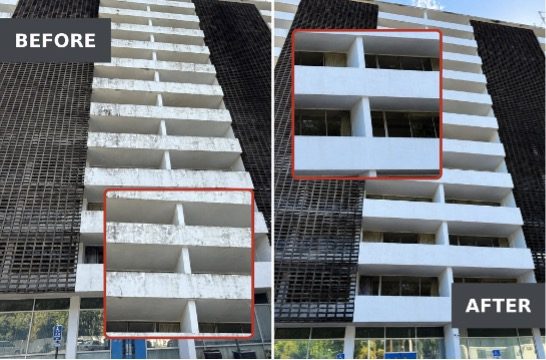
Real-time data processing is another area where AI is driving change. Equipped with advanced sensors such as cameras, LiDAR systems, radar, and infrared detectors, drones can analyze data instantly during flight. This capability has proven transformative in industries like precision agriculture—where drones monitor crop health and optimize resource usage—and emergency response, where they help locate survivors in disaster zones. Infrastructure inspection has also benefited; drones can detect structural weaknesses in bridges or pipelines before they fail, saving costs and improving safety.
AI-powered predictive maintenance systems for the drones themselves further enhance reliability by monitoring drone components and predicting failures before they occur. This proactive approach reduces downtime and maximizes operational efficiency for businesses relying on drones.
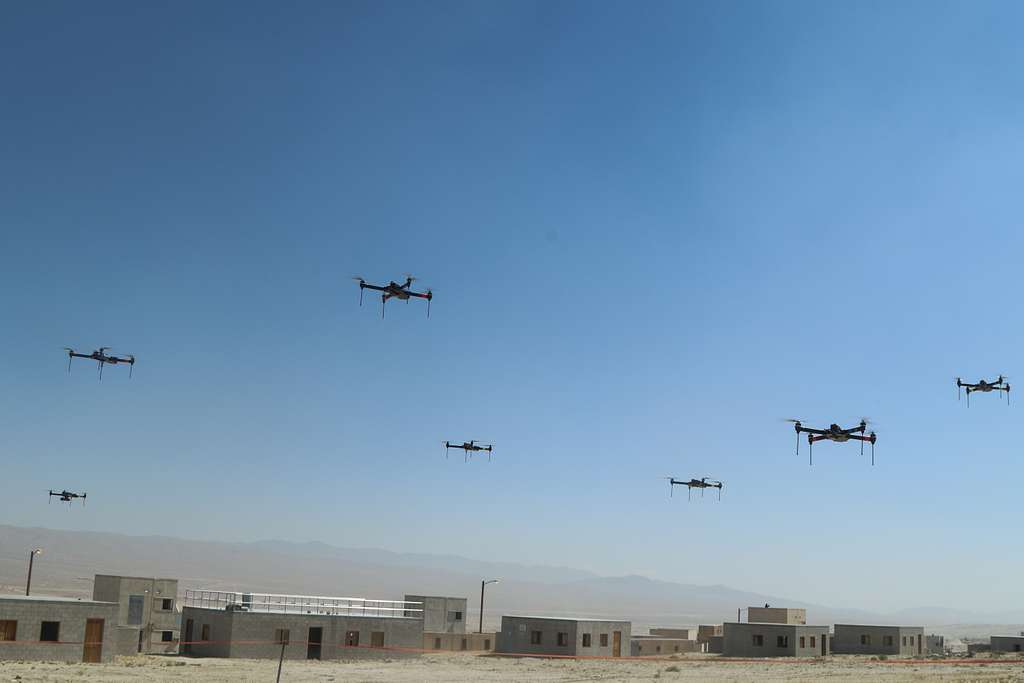
Swarm technology represents another breakthrough enabled by AI. This innovation allows multiple drones to work collaboratively on tasks such as large-scale mapping or search-and-rescue missions. By coordinating their movements autonomously, swarms can complete complex operations faster and more efficiently than individual units.
Security applications have also seen significant advancements. AI-powered drones are increasingly used for surveillance and public safety tasks, capable of detecting threats or anomalies with high precision during monitoring operations.
AI in Military Drone Applications
In military contexts, AI is revolutionizing how unmanned aerial vehicles (UAVs) are deployed by enhancing autonomy, precision, and adaptability. Autonomous operations are now a cornerstone of military drone use. With AI systems capable of navigating GPS-denied environments independently, military drones can perform reconnaissance or combat missions without direct human control. Technologies like Shield AI’s Hivemind exemplify this capability by enabling drones to adapt dynamically to changing battlefield conditions.
AI has also improved target recognition systems significantly. Advanced algorithms analyze sensor data from infrared cameras and radar systems to identify high-value targets with remarkable accuracy while minimizing collateral damage during precision strikes. Over time, machine learning allows these systems to refine their targeting accuracy based on historical mission data.
Real-time decision-making capabilities further enhance military drone effectiveness by processing battlefield information instantaneously. This enables adaptive mission planning based on evolving threats or opportunities—a critical advantage in high-stakes scenarios.
Swarm technology is particularly impactful in military applications. Autonomous coordination among multiple drones allows them to execute complex tasks such as surveillance or coordinated attacks more effectively than individual units could manage alone. Swarms are resilient against enemy countermeasures because they can adapt collectively when one unit is compromised.
Enhanced surveillance capabilities further demonstrate the value of AI in military drones. Equipped with advanced sensors such as thermal imaging cameras and hyperspectral detectors, these UAVs can monitor areas continuously under low-visibility conditions or detect chemical hazards that might otherwise go unnoticed.
Shared Trends Across Both Sectors
Despite their distinct purposes, commercial and military drone sectors share several common trends driven by AI advancements. Improved autonomy reduces reliance on human operators while enabling drones to perform increasingly complex tasks independently. Real-time analytics enhance decision-making capabilities across industries—from optimizing agricultural yields to providing battlefield intelligence.
Swarm coordination is becoming a standard feature in both domains as collaborative drone operations prove more efficient than traditional approaches. However, as autonomy grows, ethical considerations around accountability and compliance with international laws are becoming more pressing—particularly in military applications where life-and-death decisions may be made by machines.
Challenges and Opportunities
The rise of AI-powered drones presents both challenges and opportunities for stakeholders across sectors. In the commercial realm, regulatory frameworks must evolve to address safety concerns related to autonomous operations while ensuring privacy protections for individuals affected by surveillance activities. In the military domain, ethical debates surrounding autonomous weapons systems continue to intensify as nations grapple with questions about accountability for decisions made by machines during combat scenarios.
Just as the internet transformed personal computers into indispensable tools for communication and commerce, AI has the potential to elevate drones into autonomous systems capable of reshaping industries and defense strategies alike. As this technology continues to advance at an unprecedented pace—fueled by breakthroughs in machine learning—the parallels between these two technological revolutions become increasingly clear: we may well be witnessing the Internet Moment for drones right now.
Read more:
- Ukraine’s Trojan Horse Drones: A New Frontier in Cyber Warfare
- AI, Drones, and the Future of Farming: A Game Changer for Plant Disease Detection and Food Security
- How AI and Drones Are Revolutionizing Utility Inspections: The Drone Radio Show

Miriam McNabb is the Editor-in-Chief of DRONELIFE and CEO of JobForDrones, a professional drone services marketplace, and a fascinated observer of the emerging drone industry and the regulatory environment for drones. Miriam has penned over 3,000 articles focused on the commercial drone space and is an international speaker and recognized figure in the industry. Miriam has a degree from the University of Chicago and over 20 years of experience in high tech sales and marketing for new technologies.
For drone industry consulting or writing, Email Miriam.
TWITTER:@spaldingbarker
Subscribe to DroneLife here.
Automatic decisionmaking in warfare is will be a cheap way to not claim responsibility for their actions.
I search for lost dogs with my DJI M30T trap cages, cell cameras etc.
last week I was searching for a small little family member lost for 6 days and the difficulty of trying to spot such a small signature is being hyper focused for long periods of time, and then still miss it..
What AI application can I find to help identify these little ones?
deer have the same temp, but I’ve learned what a deer signature VS a dog signature looks like on the various pallets afforded me with this drone….
but I need help
Hello Robert –
There is a very successful pet search and rescue business in upstate NY who may be able to give you some lessons learned and tips on the tech he’s finding works well for him.
Here is the Facebook page for his services:
https://www.facebook.com/profile.php?id=61552750481316
Best of luck!