
SPH Engineering has expanded its drone-based ground-penetrating radar (GPR) portfolio with two 600 MHz antennas designed for UAV integration: the MALÅ GeoDrone 600 and the Zond Aero 600 NG. The new systems are aimed at high-resolution subsurface mapping in engineering, utility detection, archaeology, environmental studies, and geophysical research, particularly where access for ground carts is slow, difficult, or unsafe.
Both antennas operate at a central frequency of 600 MHz, selected to balance near-surface resolution and penetration depth. Typical penetration from a UAV platform is up to 2 meters, depending on soil conditions. SPH Engineering’s True Terrain Following function keeps a stable antenna height over uneven topography, helping maintain consistent data quality and repeatability when flying standard grid or profile patterns.
MALÅ GeoDrone 600 is a shielded, 2.7 kg antenna that uses MALÅ HDR sampling technology and an operating bandwidth of 250–900 MHz. It is optimized for precision engineering work, utility mapping, and shallow structural assessment, producing high-quality radargrams for near-surface characterization. Zond Aero 600 NG is a lighter 1.7 kg shielded antenna with a 300–950 MHz bandwidth (−12 dB) and Real-Time Sampling (RTS) with high hardware stacking to improve signal-to-noise ratio and ground coupling at low altitude, making it suitable for geophysical and environmental investigations.
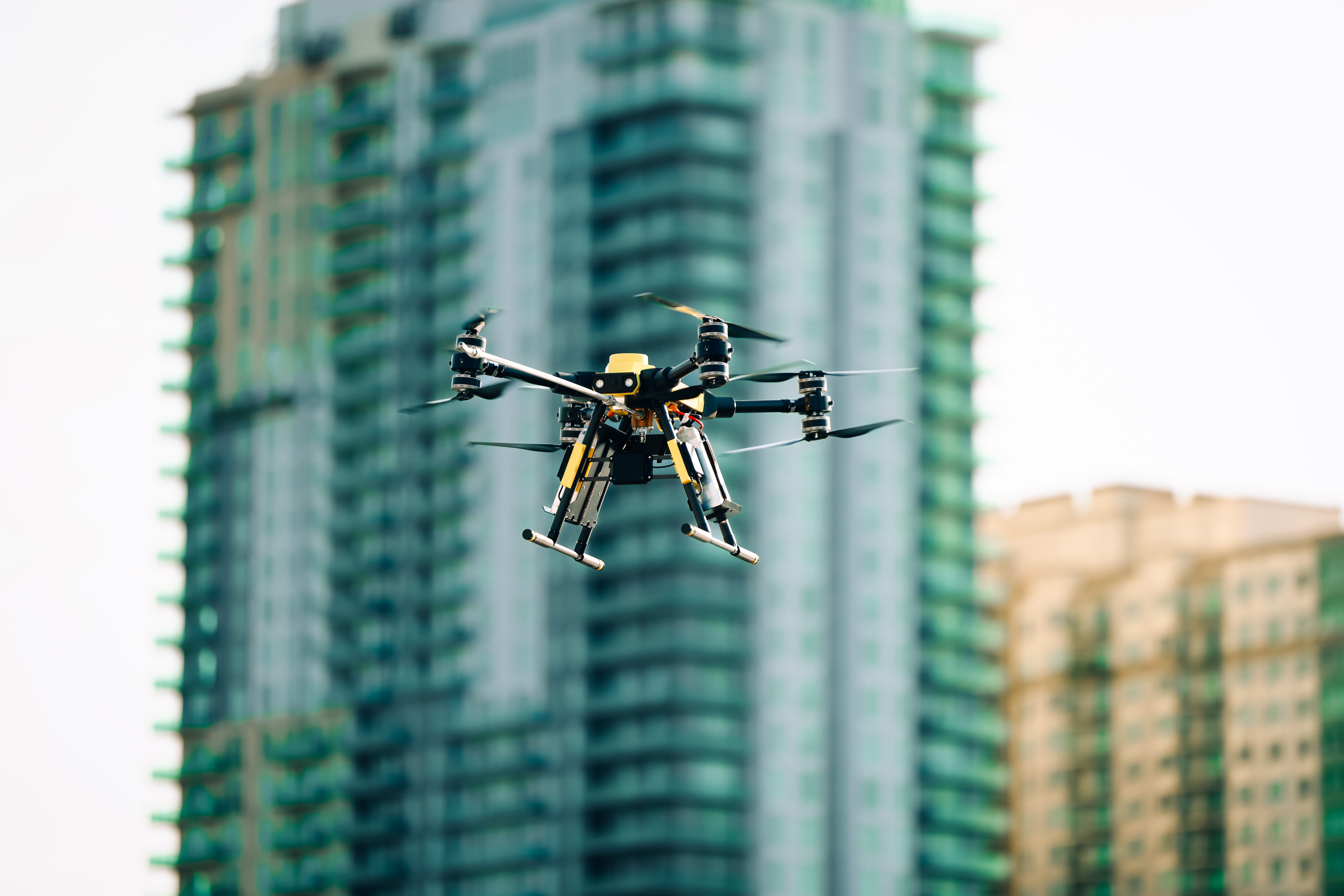
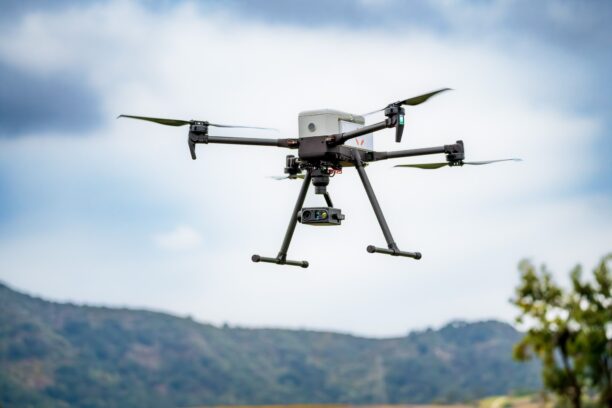
Both sensors integrate with SPH Engineering’s UgCS flight planning software and SkyHub onboard computer to support automated terrain-following flights, precise altitude control, and synchronized GNSS plus radar trace logging. Deployment platforms include DJI M300, M350, and M400, as well as Pixhawk- or Cube-based UAVs such as the Inspired Flight IF1200A and Harris H6. “Surveyors, engineers, and researchers can now choose between two high-performance 600 MHz antennas depending on their project requirements. Our goal is to deliver a complete, reliable workflow—from flight automation to secure data logging—that transforms how near-surface geophysics is conducted,” said Alexey Dobrovolskiy, CEO of SPH Engineering.
More information is available from their website.
About SPH Engineering
SPH Engineering is an expert in drone technology development, providing UAV software solutions, integration services, and custom development to advance drone applications for surveying, data collection and processing, and entertainment. Founded in 2013 in Latvia, SPH Engineering has a global customer and partner network in over 150 countries.
Read More
- SPH Engineering Releases UgCS 5.11: Cloud Sync, Small Drone Support, and New Mapping Tools
- SPH Engineering Launches Free Drone Show Software Lite License
- SPH Engineering Releases UgCS 5.9: Greater Precision, New Features for Mission Planning

Ian McNabb is a journalist focusing on drone technology and lifestyle content at Dronelife. He is based between Boston and NH and, when not writing, enjoys hiking and Boston area sports.

Interesting article! Do you think this technology will remain effective in the next few years?
Really enjoyed how you tied hardware, aerospace, and software trends together especially the “software-defined everything”. Makes me wonder, are MCUs becoming more like configurable platforms than fixed silicon?