
Public concern about drones is rising worldwide, with authorities urging citizens to report sightings “without hesitation.” But does this approach help aviation safety—or does it risk fueling fear and misunderstanding? In today’s guest post, Stephen Sutton, founder of Finnish drone company Flyby Guys, explores the balance between public safety, perception, and the future of drone technology. DRONELIFE neither makes nor accepts payment for guest posts
Report First, Ask Later? Not Every Drone Is a Threat.
by Stephen Sutton, co-founder and CEO, FlyBy Guys
 The Finnish newspaper Iltalehti recently published an article by Riikka Nyman that raised a timely issue: how should the public respond to drone sightings, and what role should reporting play in ensuring aviation safety? In the piece, the National Bureau of Investigation’s Head of Operations (KRP), Mikko Eränen, emphasized that suspicious drone sightings should be reported “without hesitation,” even if the observer is unsure whether drone flying is permitted in that area. On the surface, this advice seems reasonable. Authorities want to ensure that drones do not interfere with air traffic, threaten critical infrastructure, or create unsafe situations.
However, the discussion reveals a deeper tension that is becoming increasingly relevant in Finland and globally: how to balance public safety, public perception, and the growth of drones as both a professional tool and a recreational activity. The question is not whether drones can cause risks, any technology can be misused, but whether the framework of “report first, ask later” helps build a sustainable culture of trust around drone use.
Finland’s Public Stance on Drones
Finland has generally taken a pragmatic and forward-looking stance on drone regulations. Unlike some countries that heavily restrict drone usage or require burdensome permits, Finnish authorities have recognized that drones can be safely operated when guidelines are followed. Flying is broadly permitted unless a specific restriction exists, such as near airports, military bases, or sensitive infrastructure. Tools such as the Flyk aviation map and FinTraffic Sky make it easy for both hobbyists and professionals to check no-fly zones and to voluntarily share flight information.
This open approach reflects Finland’s broader tradition of balancing innovation with responsibility. The government recognizes that drones have a wide array of legitimate uses: aerial photography, infrastructure inspection, environmental monitoring, search and rescue, and even parcel delivery. The danger lies not in drones themselves but in careless or uninformed operation.
Yet, as Nyman’s article highlights, public perception often lags behind regulatory clarity. Many members of the public still see drones as “suspicious,” especially in a global climate where drones are used in warfare and surveillance. This perception creates a feedback loop: the more people are encouraged to call emergency services for uncertain sightings, the more drones are framed as a threat rather than a tool.
The Problem with “Report Without Hesitation”
Encouraging the public to report every suspected drone sighting, regardless of certainty, raises several issues. First, it risks overburdening emergency services with calls that are neither urgent nor accurate. Eränen himself noted that drones are easily confused with aircraft in the night sky. If even trained professionals struggle to distinguish a drone from a distant plane without a visual reference point, it is unrealistic to expect untrained observers to do so consistently.
Second, this policy risks stigmatizing responsible drone operators. The vast majority of flights in Finland are legal, safe, and conducted within regulations. By framing drone sightings as potentially dangerous by default, the public begins to associate drones with illegality, rather than with innovation and creativity.
This perception undermines years of work by drone professionals and hobbyists who have built a culture of safety. It also discourages new users from entering the hobby or industry, fearing they will be seen as suspicious even when flying legally.
A Global Challenge: U.S., UK, and Europe
It is important to recognize that this is not only a Finnish problem. The same debate is playing out in the United States, the United Kingdom, and across Europe.
In the U.S., airports have frequently reported drone “near miss” incidents, yet many of these reports turn out to be unverified or cases of misidentification. The Federal Aviation Administration (FAA) receives thousands of drone-related reports each year, but only a fraction involve genuinely unsafe or illegal activity. This flood of reports has sparked concern about how to separate genuine risks from false alarms.
The UK has experienced similar challenges, most notably the 2018 Gatwick Airport disruption, where reports of drones near the runway grounded hundreds of flights. Despite the chaos, no clear evidence of a drone was ever confirmed, illustrating the consequences of uncertain sightings being treated as fact. Since then, public perception in Britain has tilted toward seeing drones as a threat, even when the majority of operations are entirely legal and safe.
Elsewhere in Europe, from France to Germany, law enforcement and aviation authorities also grapple with balancing vigilance and overreaction. In many countries, public calls to “report any drone you see” risk undermining trust in the technology. As in Finland, professional operators are left to defend their work against a growing stigma.
The lesson is clear: public acceptance is a global hurdle for the drone industry, and the way Finland approaches it will echo internationally.
Finnish Drone Companies: A Proven Record of Safety
Against this backdrop, companies such as Flyby Guys play a crucial role in shaping public acceptance of drones in Finland and beyond. For over seven years, Flyby Guys has operated drones both domestically and internationally with a perfect safety record. Their work spans multiple industries and geographies, demonstrating that professional drone operations can be not only safe but also transformative.
Flyby Guys have conducted flights in complex environments, urban settings, and around sensitive infrastructure, all without incident. Their operations emphasize meticulous planning, regulatory compliance, and risk management. Before every flight, airspace restrictions are checked, stakeholders are informed, and contingency plans are prepared.
This approach shows what responsible drone operation looks like in practice. It is not about flying recklessly and hoping for the best. It is about using drones as part of a broader safety ecosystem, where operators, regulators, and the public all have roles to play. Flyby Guys’ record demonstrates that drones, when operated by trained professionals, are no more threatening than any other form of aviation.
Public Education, Not Panic
The Iltalehti article rightly emphasizes that novice drone users should turn to resources such as Droneinfo to understand the rules before flying. Education is the most powerful tool for ensuring safety, not blanket suspicion. Most accidents or near-misses are not caused by malice but by ignorance—people who buy drones without realizing that certain areas are restricted or that flying near airports poses risks.
Instead of encouraging the public to report uncertain sightings, authorities could focus on building awareness campaigns that highlight the difference between safe and unsafe operations. Clear guidelines on what constitutes a “suspicious” flight would reduce unnecessary emergency calls while still empowering citizens to act when genuine risks exist.
For example, a drone hovering near the runway of Helsinki-Vantaa Airport is clearly a safety hazard. A drone flying at low altitude over a park, away from critical infrastructure, is almost certainly a hobbyist acting within the law. Teaching the public to recognize these distinctions would create a more balanced relationship between drone operators and the wider community.
Finland as a Global Example
Finland has the opportunity to set an example internationally in how it integrates drones into everyday life. Already, the country is home to innovative drone companies, a forward-thinking regulatory environment, and a strong tradition of aviation culture. By fostering public acceptance alongside regulation, Finland can demonstrate how drones can coexist safely with both traditional aviation and daily life.
The key lies in trust. Authorities must trust professional operators to uphold safety standards. The public must trust that not every drone in the sky is a threat. And drone operators must trust that their responsible behavior will not be met with suspicion or unnecessary intervention.
Flyby Guys’ operations worldwide show that this balance is possible. In cities across Europe, Asia, and North America, they have worked hand-in-hand with authorities, clients, and communities to deliver safe, efficient, and innovative drone services. Their record speaks louder than fears or speculation: drones can be safe, professional, and beneficial when operated correctly.
Conclusion
The debate sparked by Riikka Nyman’s article reflects a broader challenge facing Finland and many other countries: how to manage the public’s perception of drones in an age where they are associated with both creativity and conflict. While encouraging the reporting of genuinely suspicious activity is necessary, telling the public to report sightings without hesitation risks creating more confusion than clarity.
Instead, Finland should lean into its strengths: a culture of responsibility, innovative companies such as Flyby Guys with proven safety records, and regulatory frameworks that balance freedom with accountability. Public education, rather than public alarm, will ensure that drones are seen not as threats but as tools, tools for business, for creativity, for safety, and for progress.
After more than seven years of safe operations worldwide, Flyby Guys stand as proof that with the right expertise, drones can operate safely in even the most complex environments. Finland now has the opportunity to shape public acceptance in a way that allows this technology to thrive responsibly, not just at home, but as a model for Europe, the U.S., and the wider world.
Read more:
- Drone Incursion Shuts Down Copenhagen Airport for Hours
- Denmark’s Drone Ban Highlights Urgent Need for Counter-UAS Systems That Can Tell Friend from Foe
- Tomorrow, EU Ministers Will Meet to Discuss Europe’s “Drone Wall” — What That Means
 Stephen Sutton is one of the founders of Finnish drone company, Flyby Guys. He began flying drones in 2017 and since then has led Flyby Guys to incredible heights with drone operations around the world. Their experience has gone from telecom and utility inspections to drone delivery projects, and their world-famous drone lights shows, which they operate around the globe. Stephen is also a consultant to the drone industry, guiding and helping others find their feet in this tough and demanding industry.
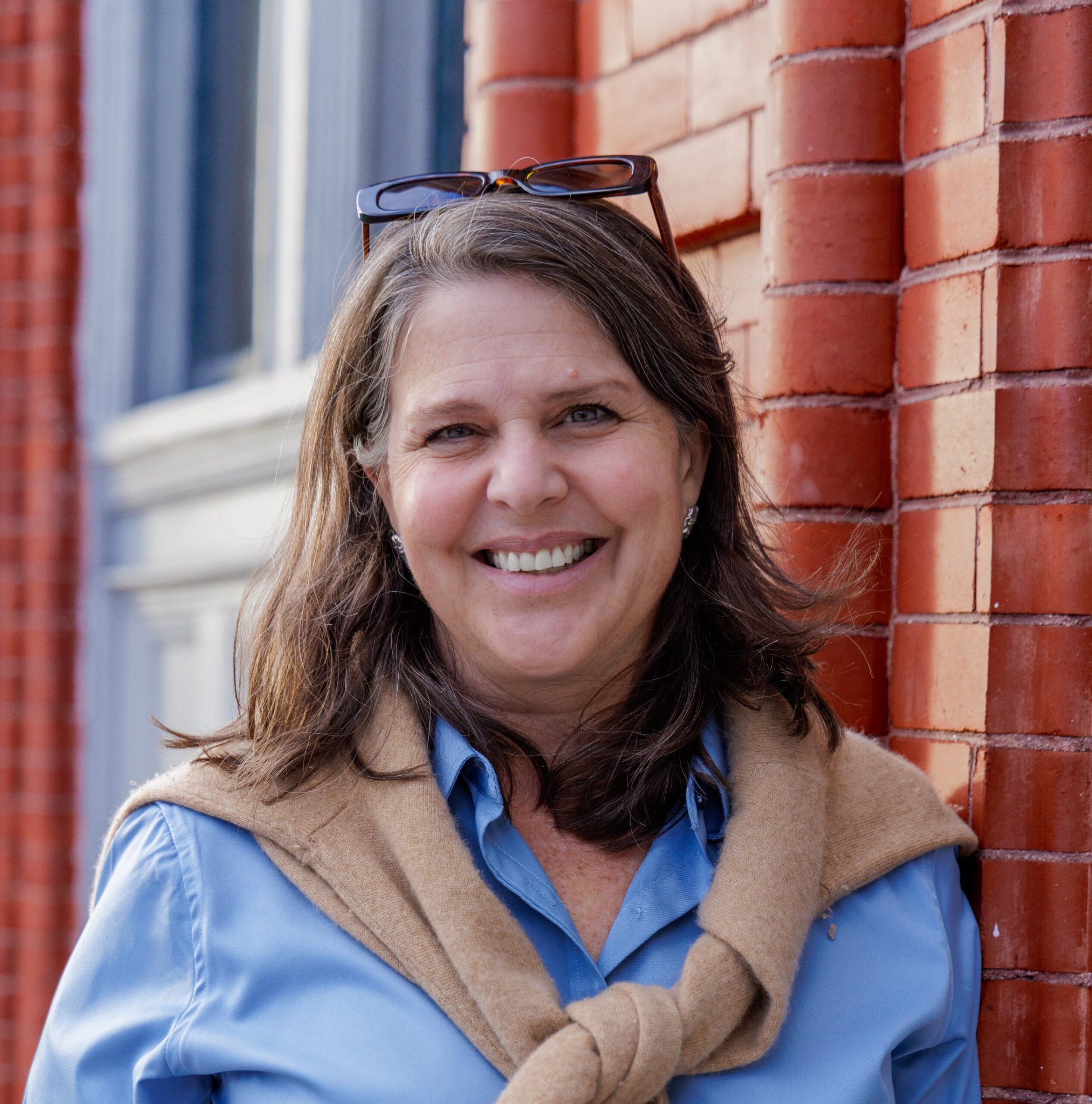
Miriam McNabb is the Editor-in-Chief of DRONELIFE and CEO of JobForDrones, a professional drone services marketplace, and a fascinated observer of the emerging drone industry and the regulatory environment for drones. Miriam has penned over 3,000 articles focused on the commercial drone space and is an international speaker and recognized figure in the industry. Miriam has a degree from the University of Chicago and over 20 years of experience in high tech sales and marketing for new technologies.
For drone industry consulting or writing, Email Miriam.
TWITTER:@spaldingbarker
Subscribe to DroneLife here.
Great discussion! 🚁 Drone sightings raise important questions about privacy, safety, and regulation. While some reports may seem exaggerated, understanding the real risks helps balance innovation with responsibility. This post does a great job exploring both sides of the issue — very insightful read!