
From Combat Zones to Construction Sites: How Veterans Are Reshaping the Drone Industry
The Mission Has Changed — But the Discipline Remains

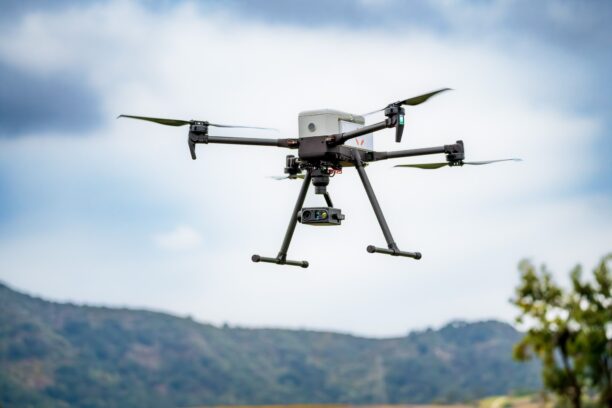
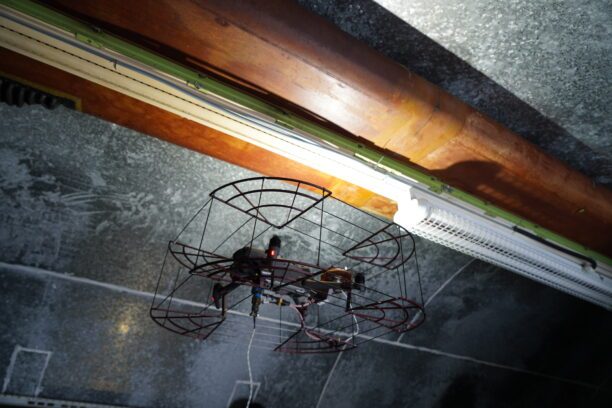
Credit: HiFly Aerial Drone Services / Rahman “Ray” Richardson. Used with permission.
Why Veterans Make Exceptional Drone Operators
1. Mission Planning is in Our DNA
Veterans are trained to think in layers — strategy, safety, execution. That mindset is tailor-made for FAA Part 107 compliance, airspace coordination, and risk management.
2. Tech-Forward and Fearless
From satellite systems to secure comms, military professionals are no strangers to cutting-edge tech. Adapting to UAV platforms, sensors, AI, and GIS tools like DroneDeploy? We’re built for it.
3. Regulatory Fluency
Checklists. SOPs. Chain of command. Veterans step into regulated environments with confidence — and often exceed what’s required, especially in areas like BVLOS operations and infrastructure inspections.
4. Leadership Under Pressure
Every drone flight is a mission. Veterans bring calm under pressure, clarity in chaos, and a client-ready professionalism that builds trust and delivers results.
More Than a Job: Drones as a Pathway to Purpose
The Future Is in the Air — And Veterans Are Leading It
Final Approach

Miriam McNabb is the Editor-in-Chief of DRONELIFE and CEO of JobForDrones, a professional drone services marketplace, and a fascinated observer of the emerging drone industry and the regulatory environment for drones. Miriam has penned over 3,000 articles focused on the commercial drone space and is an international speaker and recognized figure in the industry. Miriam has a degree from the University of Chicago and over 20 years of experience in high tech sales and marketing for new technologies.
For drone industry consulting or writing, Email Miriam.
TWITTER:@spaldingbarker
Subscribe to DroneLife here.
Leave a Reply